
Wikimedia Commons
Canoe Slalom
Canoe Slalom
Canoe slalom is a race through foaming, fast-moving water. Athletes paddle down a course and steer through gates hanging above the river. The lowest time after penalties wins. Success takes strength, quick decisions, and the ability to read the changing water.
Following the Gates
Each gate is made from two striped poles. Green-and-white gates are traveled through downstream, in the direction of the current. Red-and-white gates must be taken upstream. Racers may need to turn sharply, cross powerful currents, or paddle into calm water behind a rock before changing direction.
Touching a gate adds two seconds to a racer's time. Missing a gate or going through it the wrong way adds 50 seconds. Because races can be close, one small touch may change the result. The final score is the paddling time plus any penalties.
Canoe or Kayak?
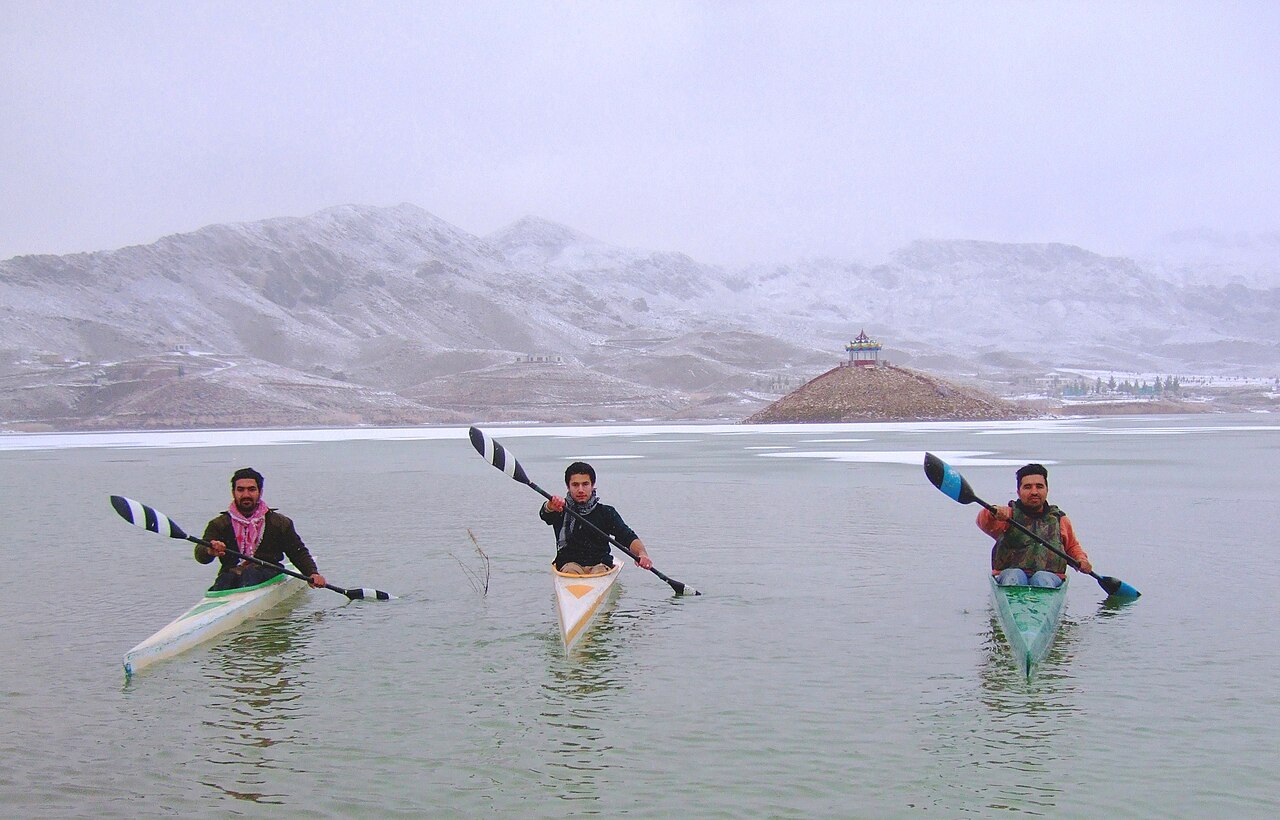
Despite the sport's name, canoe slalom includes both canoes and kayaks. In a slalom canoe, the athlete kneels and uses a paddle with one blade. In a kayak, the athlete sits and uses a paddle with a blade at each end. Both types of boat are short and light enough to turn rapidly.
Athletes wear helmets and buoyancy vests. They learn how to roll an overturned boat and swim safely in a current. Courses may use a natural river or a human-made channel where pumps create reliable white water. Trained rescue teams watch competitions from the riverbank.
From Rivers to the Olympics
The first canoe slalom competition was held on a Swiss lake in 1932. Organizers adapted the idea of ski slalom to paddling, and white-water contests soon followed. The sport made its Olympic debut in 1972 and returned for every Summer Olympics from 1992 onward. Modern courses let spectators watch the racers twist, sprint, and sometimes paddle backward to line up for a gate.
Did You Know?
At top-level events, racers study the completed gate course from land rather than practising on it. They plan how waves and currents might help them reach each gate.

You finished the article! Great job!