

Wikimedia Commons
Seed Germination
Seed Germination
A seed can contain a living plant embryo even before anything sprouts. Germination happens when that young plant resumes growth. A seed that looks still is not necessarily dead!
Getting Started
Water enters the seed and helps its cells become active. Oxygen lets the cells release usable energy from stored food. Seeds also need a suitable temperature: the right range depends on the species. Hotter is not always better. Some seeds need light to germinate; others can start in darkness.
Too much water can fill the air spaces around a seed. That makes oxygen harder to obtain. Moist and waterlogged are different conditions.
Follow a Bean
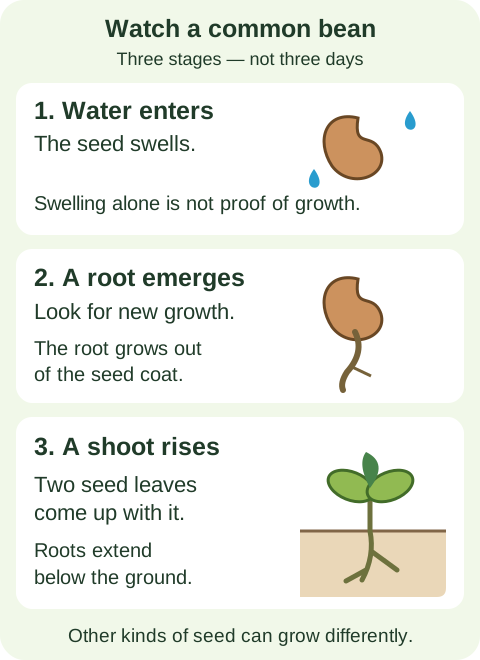
In a common bean, the first root emerges from the seed coat. The growing shoot lifts two thick seed leaves, called cotyledons, above the ground. They supply stored food. Green leaves use light to make food through photosynthesis.
This is one example, not a rule for every plant. Pea cotyledons stay below the ground. Seeds can swell after taking in water without successfully growing; an emerging root is stronger evidence of germination.
Be a Seed Detective
Observe several seeds of the same kind. Record the date and draw each visible change. Which observation shows only swelling? Which shows a new root? Do not promise that every seed will sprout on the same day.

You finished the article! Great job!