
Wikimedia Commons
Rocks
Rocks
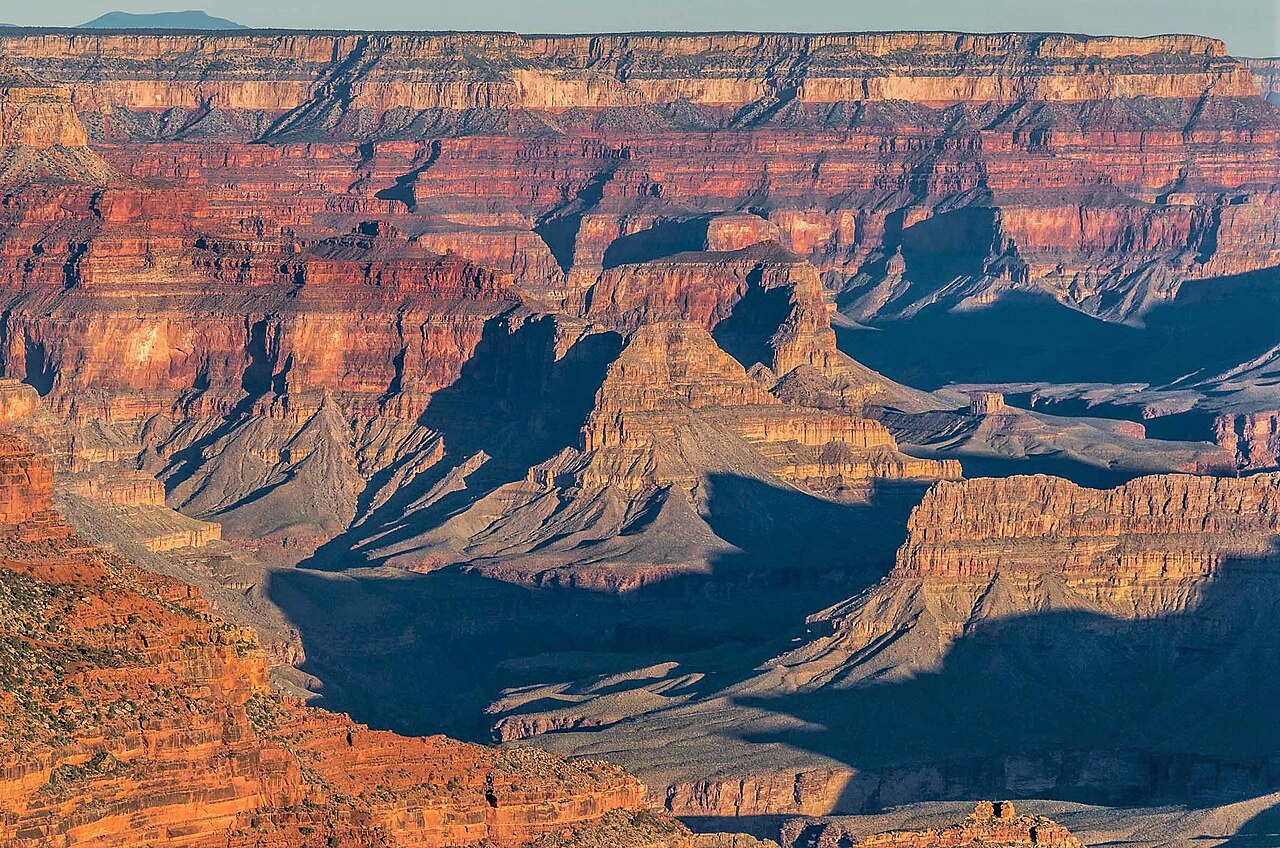
Rocks are all around you. Mountains, cliffs, and even the ground beneath your feet are made of rock. Rocks are made of one or more minerals pressed or melted together. There are three main types of rocks, and they are constantly changing from one type to another in a process called the rock cycle.
Three Types of Rocks
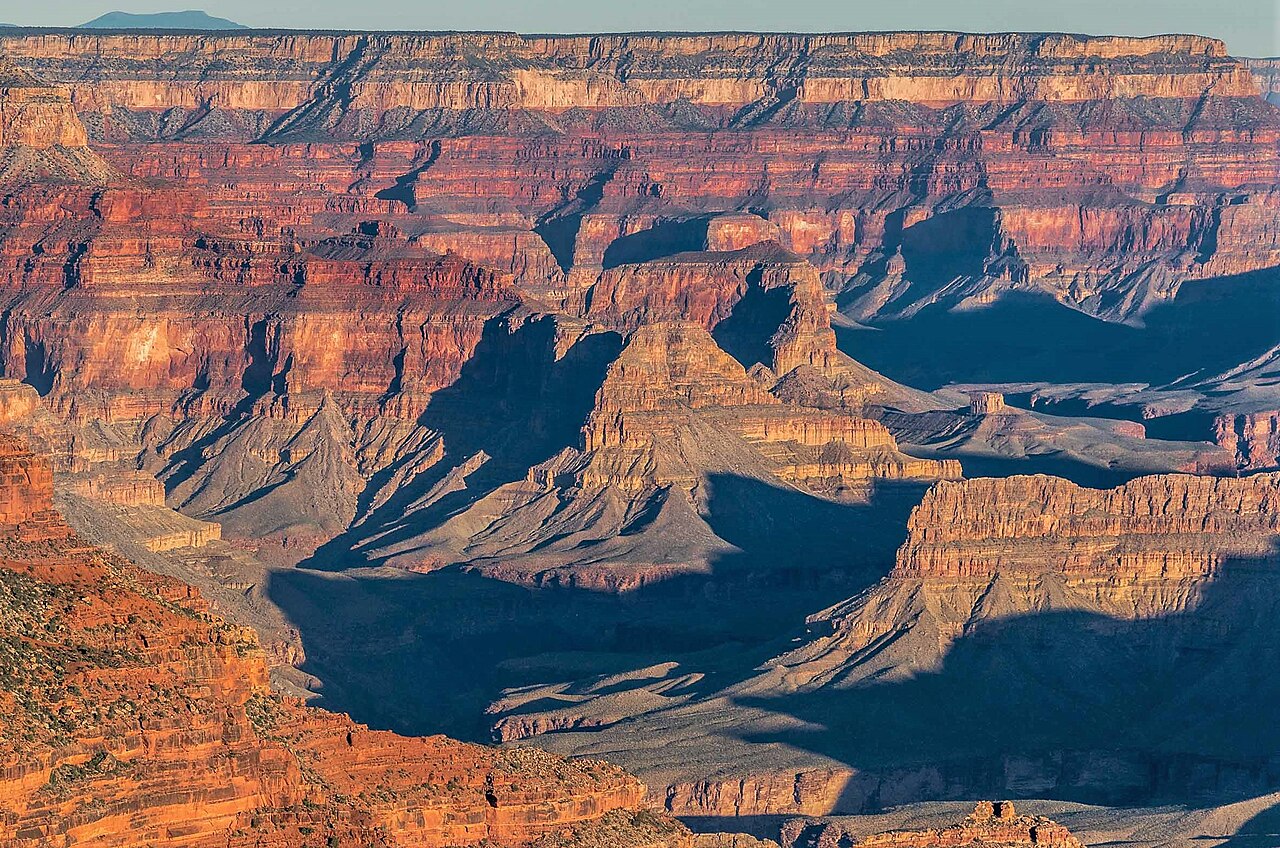
Igneous rocks form when hot melted rock called magma cools and hardens. Granite and basalt are igneous rocks. Sedimentary rocks form when tiny pieces of rock, sand, or shell pile up in layers and get pressed together. Limestone and sandstone are examples. Metamorphic rocks form when heat and pressure change existing rocks. Marble is metamorphic.
The Rock Cycle
Rocks are always changing. Igneous rocks can be broken down by weather into tiny pieces that form sedimentary rocks. Sedimentary rocks can be buried deep and changed by heat and pressure into metamorphic rocks. Metamorphic rocks can melt and become igneous rocks again. This cycle takes millions of years.
More to Know
Granite cooled slowly underground and has large crystals, while basalt cooled fast on the surface. Limestone becomes marble, shale becomes slate, and sandstone becomes quartzite under heat and pressure. Water that freezes in cracks expands and breaks rock, and rivers such as the Colorado carve canyons over millions of years. Sedimentary layers usually have the oldest rock at the bottom, and fossils found in them help scientists match rocks of the same age. Earth is about 4.5 billion years old.
Fun Facts
- The oldest known rocks on Earth are about 4 billion years old.
- Pumice is a rock that is so full of air bubbles that it can float in water.
- Obsidian is a natural glass formed when lava cools very quickly.
Did You Know?
Rocks from space land on Earth all the time! About 48 tons of meteorite material falls on Earth every day, mostly as tiny dust particles. Occasionally, larger rocks survive the trip through the atmosphere and land on the ground as meteorites. Some are worth more than gold to collectors!

You finished the article! Great job!