
Wikimedia Commons
Erosion
Erosion
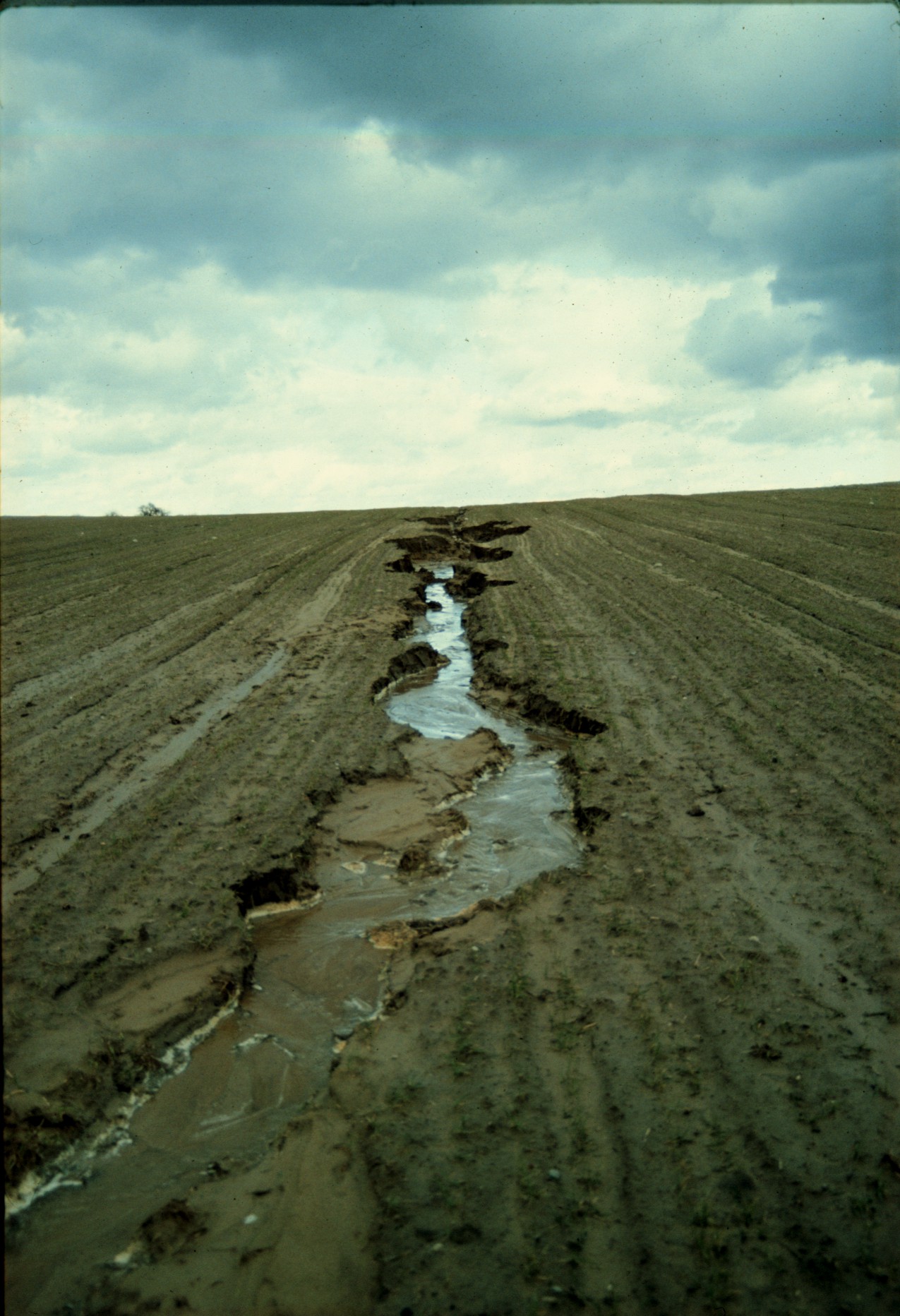
Imagine rain carrying loose soil down a path. The soil is moving from one place to another. That movement is erosion. Water, wind, moving ice and gravity can move earth materials. Some changes take a long time, while a flood or landslide can move material quickly.
Breaking, Moving and Settling
Weathering breaks down rock where it is. Erosion carries material away. Deposition happens when transported material settles in a new place. These processes often work together, but the words do not mean the same thing.
A river can carry sand downstream. When the water slows enough, some sand settles. Wind can also carry grains and then drop them, building a dune.
Changing Landscapes
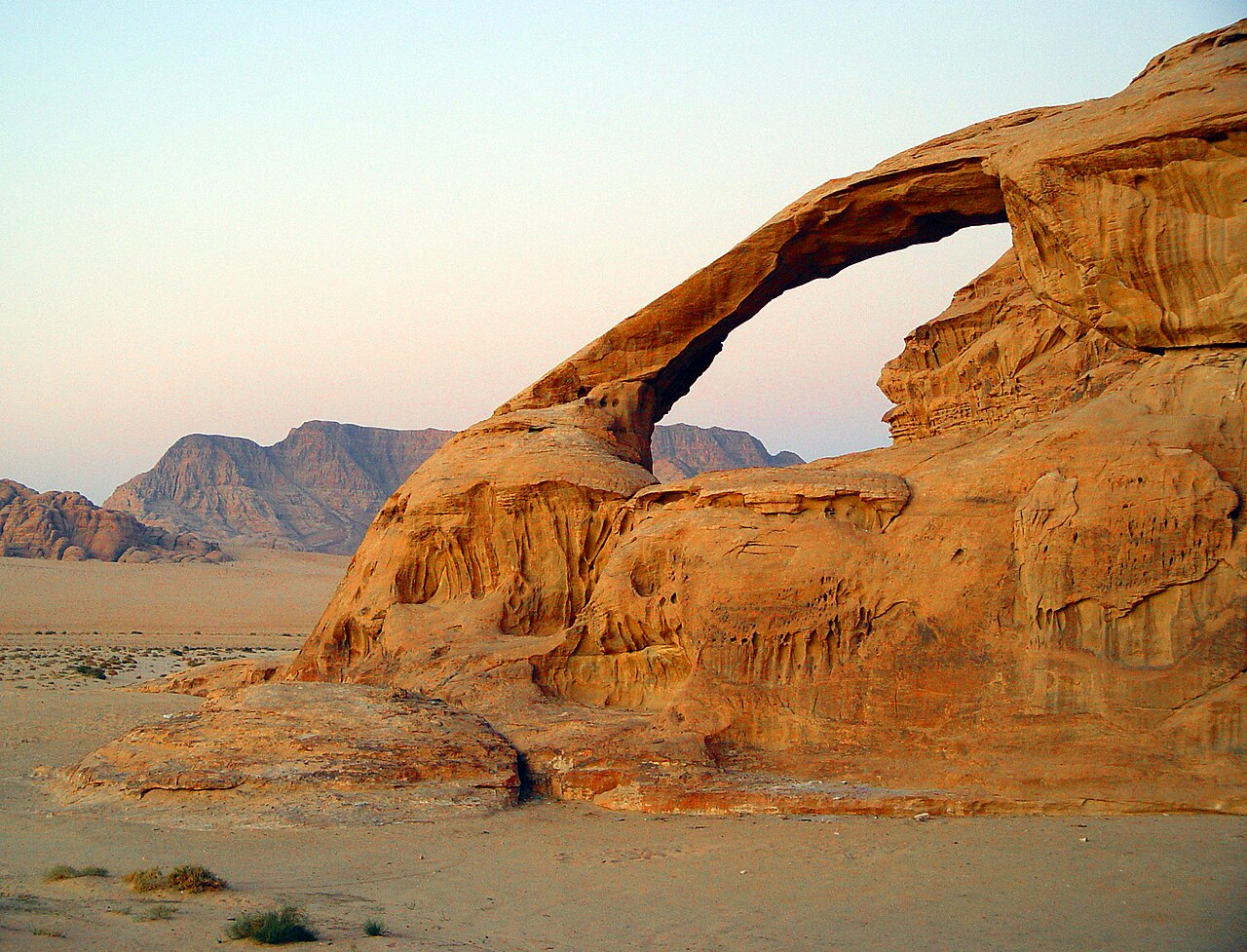
Rivers cut into land, waves remove material from coasts, and glaciers scrape and transport rock. Erosion has helped shape the Grand Canyon over millions of years. Its speed differs from place to place and changes with conditions.
The Great Sphinx in Egypt was carved by people. Weathering and erosion can damage an existing monument; they did not sculpt it into a human-headed lion.
Keeping Soil in Place
Plant roots can help hold soil, and plant cover can reduce the force of falling rain. These measures can reduce erosion but cannot guarantee that a slope or riverbank will never change.

You finished the article! Great job!