
Wikimedia Commons
Electric Circuits
Electric Circuits
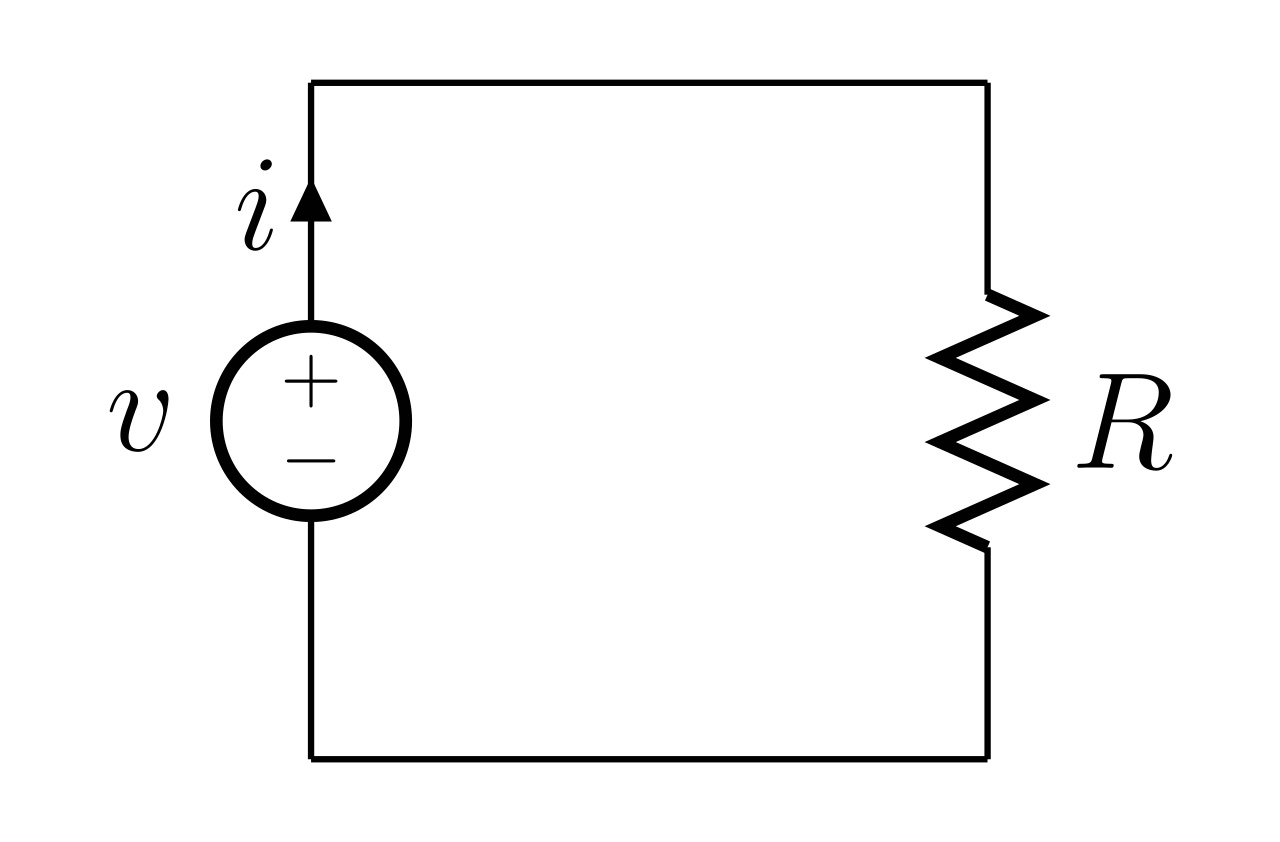
An electric circuit is a loop that electricity travels around. It needs a power source, like a battery, to push the electricity. Wires carry the electricity to something useful, like a light bulb. If the loop is broken, the electricity cannot flow. Circuits are used in almost all electronic devices.
Parts of a Circuit
A simple circuit has three main parts. The power source gives the electricity energy to move. Wires are the roads the electricity travels on. A device like a bulb or motor uses the electricity to do work. A switch can open or close the loop to turn things on or off.
Series and Parallel
There are two main kinds of circuits. In a series circuit, parts are connected in one line. If one bulb goes out, they all go out. In a parallel circuit, each part has its own path. One bulb can go out and the others stay on. Most homes use parallel circuits.
More to Know
A circuit only works as a closed loop, and a switch opens or closes the loop on purpose. Conductors, like copper, let electricity flow, while insulators, like plastic and rubber, block it, which is why wires have plastic coatings. Static electricity is charge that builds up and stays in one place until it jumps, as when a rubbed balloon sticks to a wall. Lightning is static electricity on a giant scale, so people should go indoors during thunder. Never put anything into an outlet, and keep electric things away from water.
Fun Facts
- The first simple battery was made by Alessandro Volta in 1800.
- The tiny chips inside phones hold billions of tiny circuits.
- Circuits inside computers can be thinner than a human hair.
Did You Know?
The word 'circuit' comes from a Latin word that means 'to go around,' just like how electricity moves in a loop.

You finished the article! Great job!