
Wikimedia Commons
Chemical Reactions
Chemical Reactions
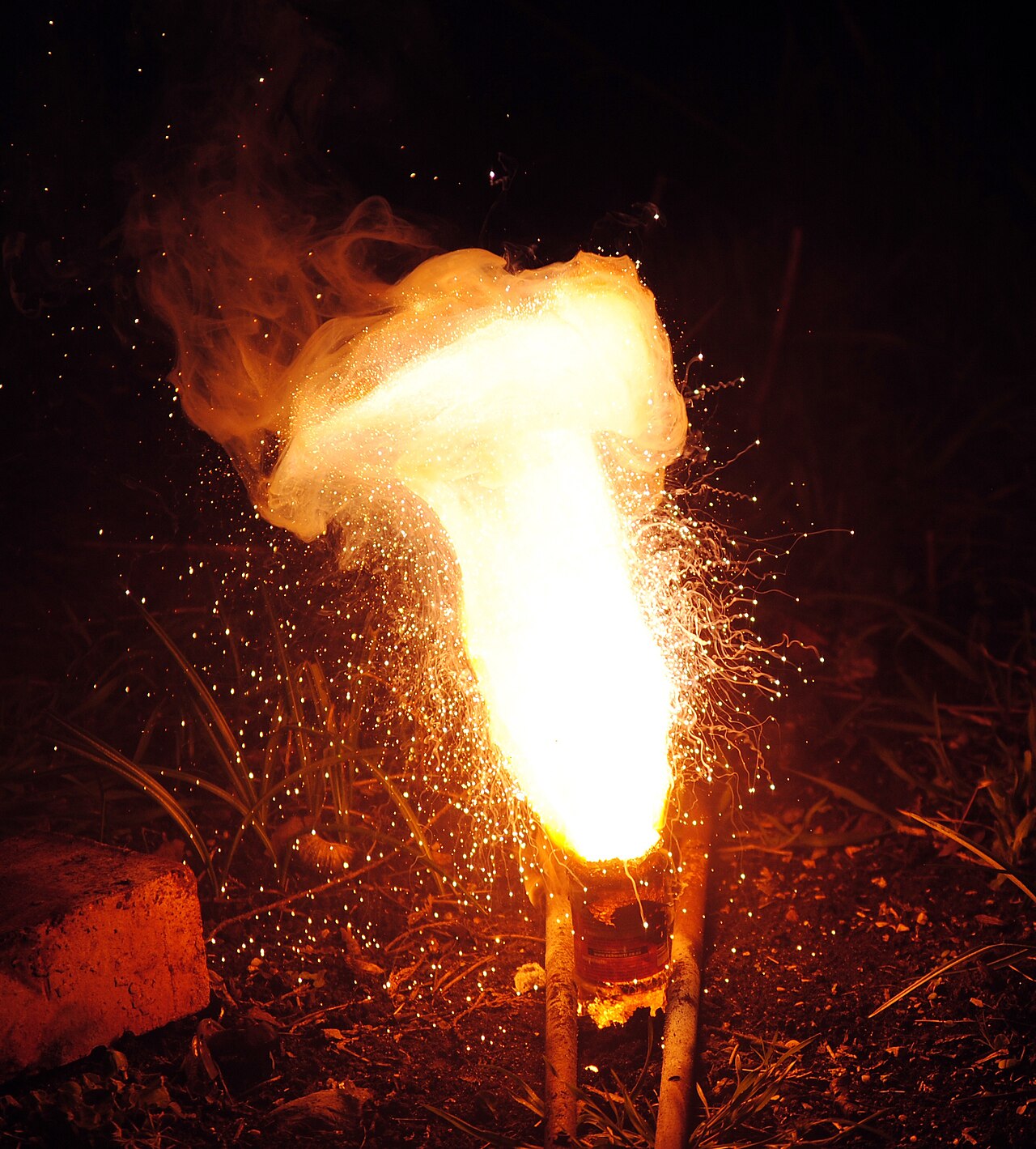
A chemical reaction is when one or more things change into something new. The new stuff is different from what you started with. Reactions happen all around us every day. Cooking food, burning wood, and rusting metal are all reactions.
How Reactions Work
In a reaction, atoms from different things mix and join in new ways. The things that start the reaction are called reactants. The new things made are called products. Some reactions are fast, like fireworks, and some are slow, like a nail rusting.
Signs of a Reaction
You can often tell a reaction is happening by looking for clues. You might see bubbles, a color change, or smoke. Sometimes things get hot or cold during a reaction. A smell might also tell you that something new has been made.
More to Know
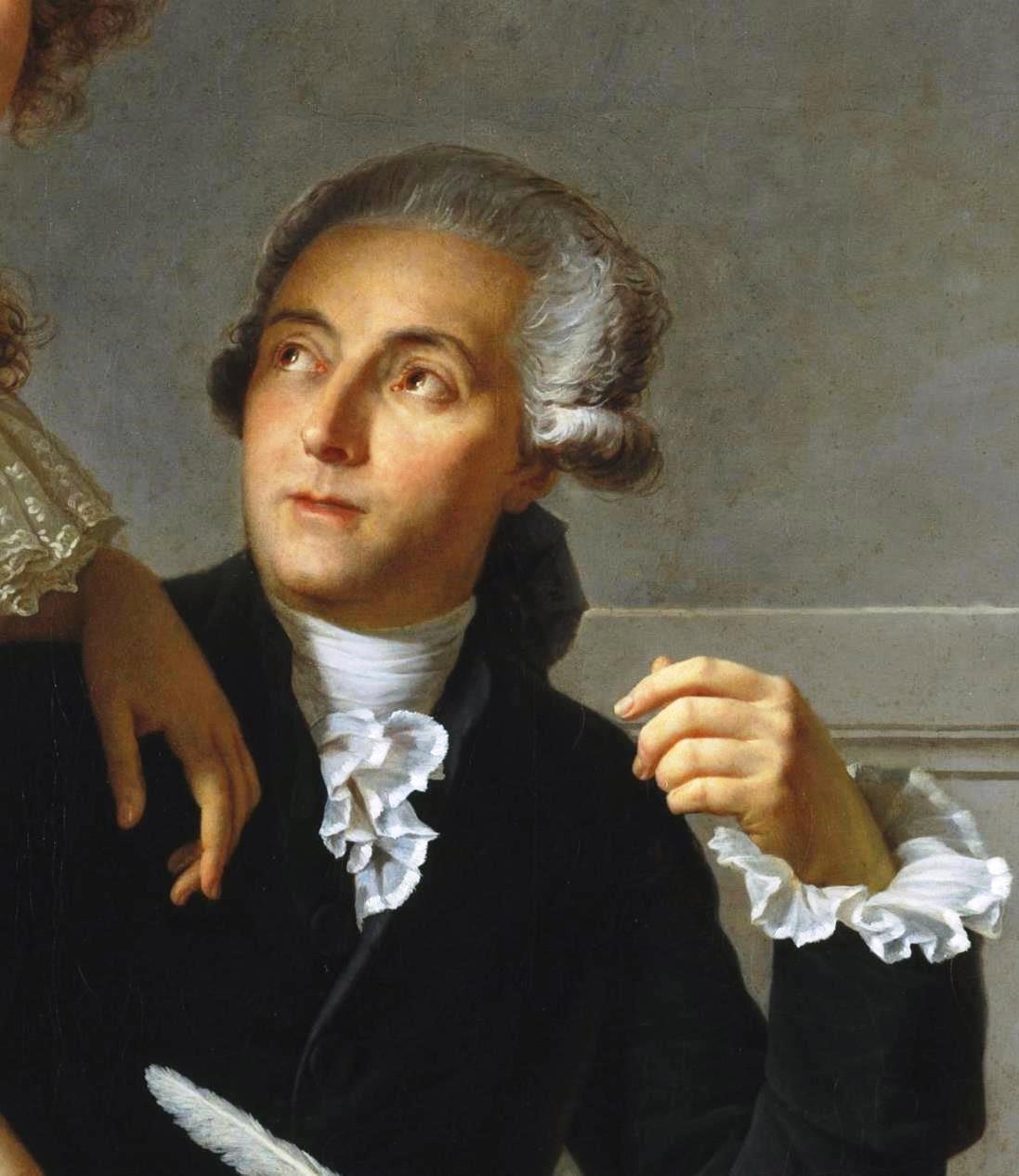
Antoine Lavoisier showed in the 1780s that mass is not lost in a reaction; atoms are rearranged. Acids taste sour and bases feel slippery on a pH scale of 0 to 14, with 7 neutral, and red cabbage juice changes color to show which is which. Rusting and fire are both reactions with oxygen, one slow and one fast. Fire needs fuel, oxygen, and heat, so removing any one puts it out.
Fun Facts
- Mixing baking soda and vinegar makes a bubbly reaction.
- Your body uses chemical reactions to digest food.
- Glow sticks work because of a chemical reaction that makes light.
Did You Know?
Photosynthesis in plants is one of the most important chemical reactions on Earth. It gives us the oxygen we breathe.

You finished the article! Great job!