
Wikimedia Commons
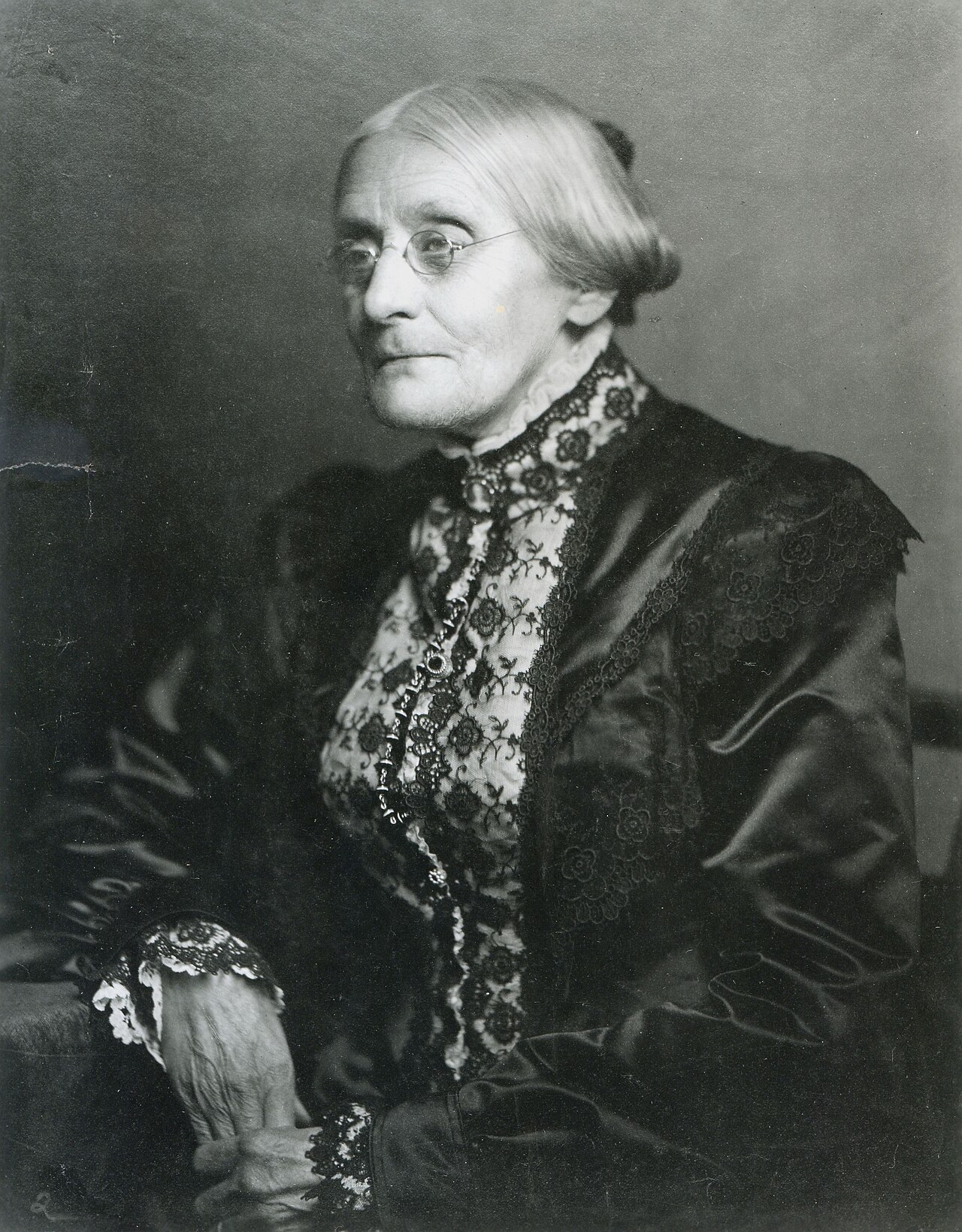
Elizabeth Cady Stanton
Elizabeth Cady Stanton
Elizabeth Cady Stanton was an American writer, speaker, and women's rights leader. For more than 50 years, she argued that women should have equal choices in education, work, family life, and government. Her words helped turn small meetings into a nationwide movement.
Early Life
Stanton was born in Johnstown, New York, in 1815. Her father was a lawyer, and she learned from his books that many laws treated women unfairly. She studied subjects that girls were often discouraged from learning.
In 1840, Stanton attended an anti-slavery meeting in London with her husband, Henry. Women delegates were not allowed to take part fully. There she met reformer Lucretia Mott, and the two began talking about a meeting for women's rights.
Working for Change
In 1848, Stanton, Mott, and three other women organized the Seneca Falls Convention in New York. More than 300 people came. Stanton helped draft the Declaration of Sentiments, which said women deserved equal rights, including the right to vote.
A few years later, Stanton met Susan B. Anthony. They became a powerful team: Stanton often researched and wrote while Anthony traveled and organized. Together they formed groups, collected petitions, and gave speeches. Stanton also campaigned for women's property rights and better access to education.
Lasting Impact
Stanton died in 1902, 18 years before the Nineteenth Amendment said voting rights could not be denied because of sex. Racist laws and practices still kept many women from voting, but Stanton's organizing and writing helped make an important change possible.
Like many historical figures, Stanton also made harmful choices. During arguments about voting rights after the Civil War, she sometimes used racist language. Studying her whole story helps us value her work for women while also recognizing where she failed to support equality for everyone.
Did You Know?
The Declaration of Sentiments was modeled on the U.S. Declaration of Independence. It changed the famous idea to say that “all men and women are created equal.” One hundred people signed it at Seneca Falls.

You finished the article! Great job!