
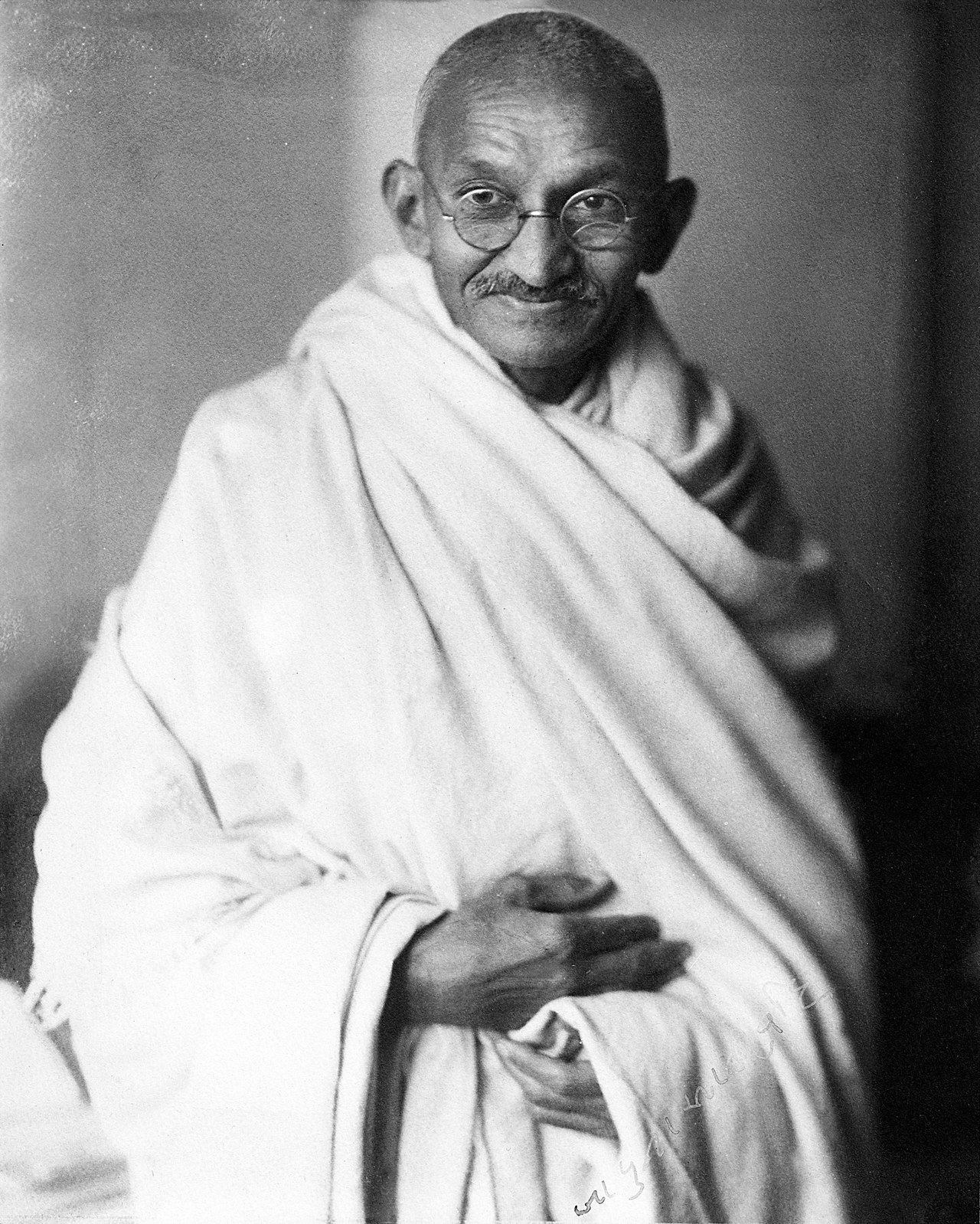
Wikimedia Commons
B. R. Ambedkar
B. R. Ambedkar
B. R. Ambedkar was an Indian lawyer, scholar, and social reformer. Born Bhimrao Ramji Ambedkar in 1891, he fought the unfair caste system, which placed people into social groups at birth. He is often called Babasaheb, a respectful name meaning “honored father.” His ideas helped build a more equal India.
Early Life
Ambedkar was born in Mhow, in central India. His family belonged to the Mahar community, which higher castes treated as “untouchable.” At school, he experienced cruel discrimination. He was sometimes separated from other children and could not freely use the same water.
Ambedkar loved learning. A scholarship allowed him to study at Columbia University in New York. He also studied economics and law in London. His education gave him tools to challenge unfair rules with strong arguments.
Working for Change
Back in India, Ambedkar wrote newspapers, formed organizations, and spoke up for people harmed by caste discrimination. In 1927, he led a peaceful protest at a public water tank in Mahad. The protesters insisted that everyone should be able to use public water.
When India became independent, Ambedkar served as its first law minister. He chaired the committee that prepared the draft of the Constitution. The finished document promised equality before the law and ended “untouchability” as a legal practice. Ambedkar also supported better opportunities for women, workers, and people who had long been excluded from education and government.
Lasting Impact
Ambedkar believed political freedom was not enough without social equality. In 1956, he became a Buddhist, along with many followers, because he saw Buddhism as a path based on dignity and compassion. He died later that year.
Today, Ambedkar is remembered as a leading architect of India's Constitution. His birthday, April 14, is celebrated as Ambedkar Jayanti. His work continues to inspire people who seek fairness and equal rights.
Did You Know?
Ambedkar collected thousands of books and believed education could change lives. In 1990, India awarded him the Bharat Ratna, the country's highest civilian honor, many years after his death.

You finished the article! Great job!