
Wikimedia Commons
Triangles
Triangles
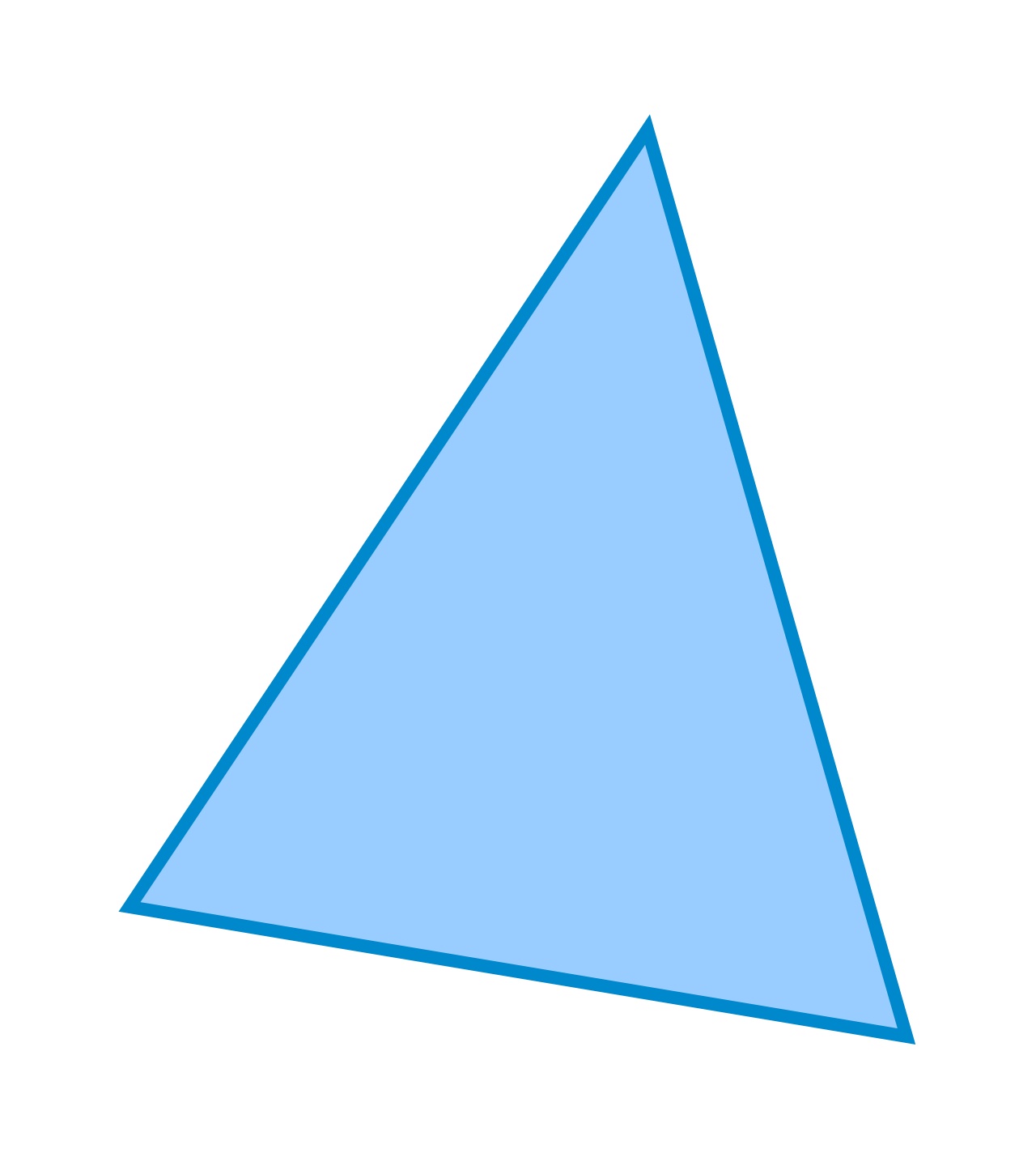
A triangle is a closed, flat figure made of three straight sides. Its three corners must not all lie on one straight line. Turning a triangle or making a scaled copy does not change its angle sizes or its shape groups.
Two Ways to Sort
We can group triangles by side lengths:
- An equilateral triangle has three equal sides.
- An isosceles triangle has at least two equal sides. With this inclusive definition, an equilateral triangle is also isosceles.
- A scalene triangle has three different side lengths.
We can also group them by angle sizes:
- An acute triangle has three angles smaller than 90°.
- A right triangle has one angle equal to 90°. Its two sides meeting at that corner are perpendicular.
- An obtuse triangle has one angle greater than 90° and less than 180°.
A triangle can have a label from each list. For example, a triangle with angles of 45°, 45° and 90° is both right and isosceles. Equal sides do not mean parallel sides: every pair of a triangle's sides meets at a corner.
Follow the Angles
The three inside angles of a triangle on a flat plane add to 180°. Two right angles would already use that whole total, leaving no positive third angle. That is why a triangle cannot have two right angles.
The right angle need not be at the bottom. Turn a drawing and check again with a square paper corner. Use the angles and sides, not the way the triangle points.
Why Frames Use Triangles
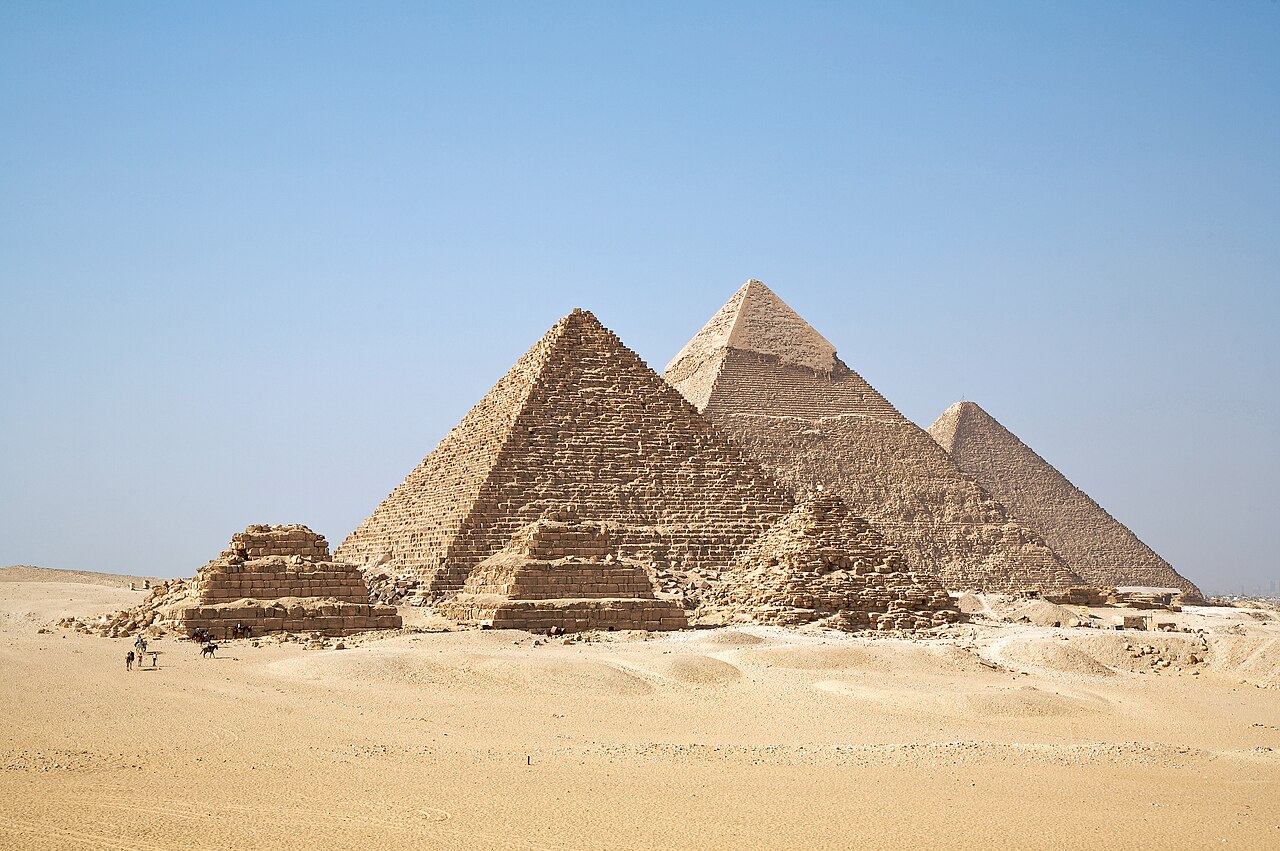
In an ideal flat frame, three rigid bars joined at their ends cannot change the triangle's shape while keeping all three lengths fixed. A four-bar frame can change its angles unless it is braced. This helps explain triangular bracing in structures. Actual strength also depends on the materials, joints and loads; “triangle” does not mean unbreakable or always strongest.
Try a Shape Investigation
Draw a right triangle with its right corner above the other two corners. Then draw an acute triangle. Explain which angles decide the groups. A roughly triangular slice with a curved edge is not an exact mathematical triangle.
Open the Grade 4 Shape Detective lesson to sort figures, draw counterexamples and explain your choices.

You finished the article! Great job!