
Wikimedia Commons
Haiku
Haiku
A haiku is a tiny poem from Japan. It has just three lines, but it can say a lot. Haiku poems often describe nature or the seasons. People all around the world enjoy reading and writing haiku.
How to Write One
A haiku follows a simple pattern. Traditional Japanese haiku count short sound units in groups of five, seven and five. Some English haiku use that pattern with syllables: five in the first line, seven in the second and five in the third.
What They Are About
Most haiku poems describe something from nature. They might talk about a frog, a flower, or the moon. Haiku try to capture one small moment in time. They can make readers feel peaceful and thoughtful.
More to Know
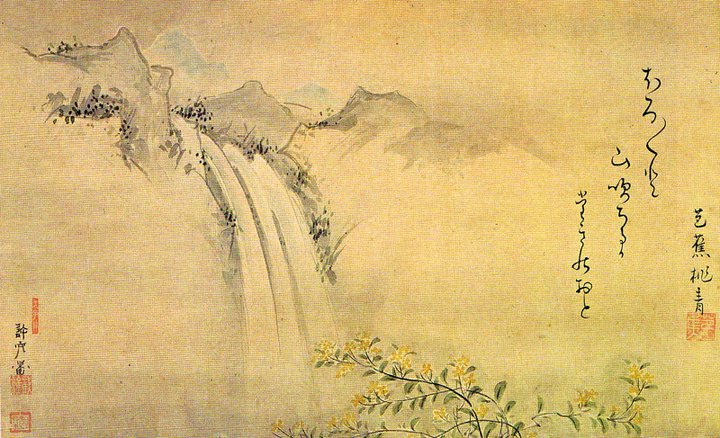
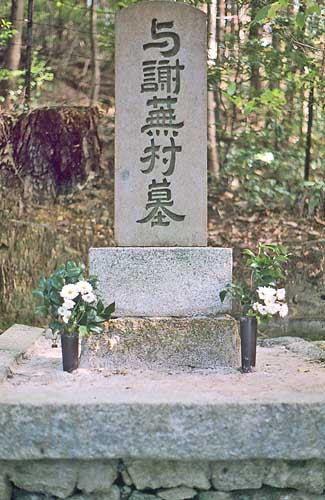
Haiku count sounds called on, which differ slightly from English syllables, so English poets often follow the spirit rather than the exact 5-7-5 count. A kigo names the season, and a kireji makes a pause. Basho (1644-1694) wrote the pond and frog poem, Buson (1716-1784) painted with words, and Issa (1763-1828) wrote kindly about small creatures. Haiku grew out of the hokku, the opening verse of group poems called renga, and Masaoka Shiki named the form haiku in the 1890s.
Fun Facts
- A poet named Matsuo Basho is one of the most famous haiku writers ever.
- Haiku poems are over 400 years old.
- Many haiku mention a season, like spring or winter.
Did You Know?
The shortest haiku in English can be read in just a few seconds, but it can take hours to write a good one.

You finished the article! Great job!