
Wikimedia Commons
The Underground Railroad
The Underground Railroad
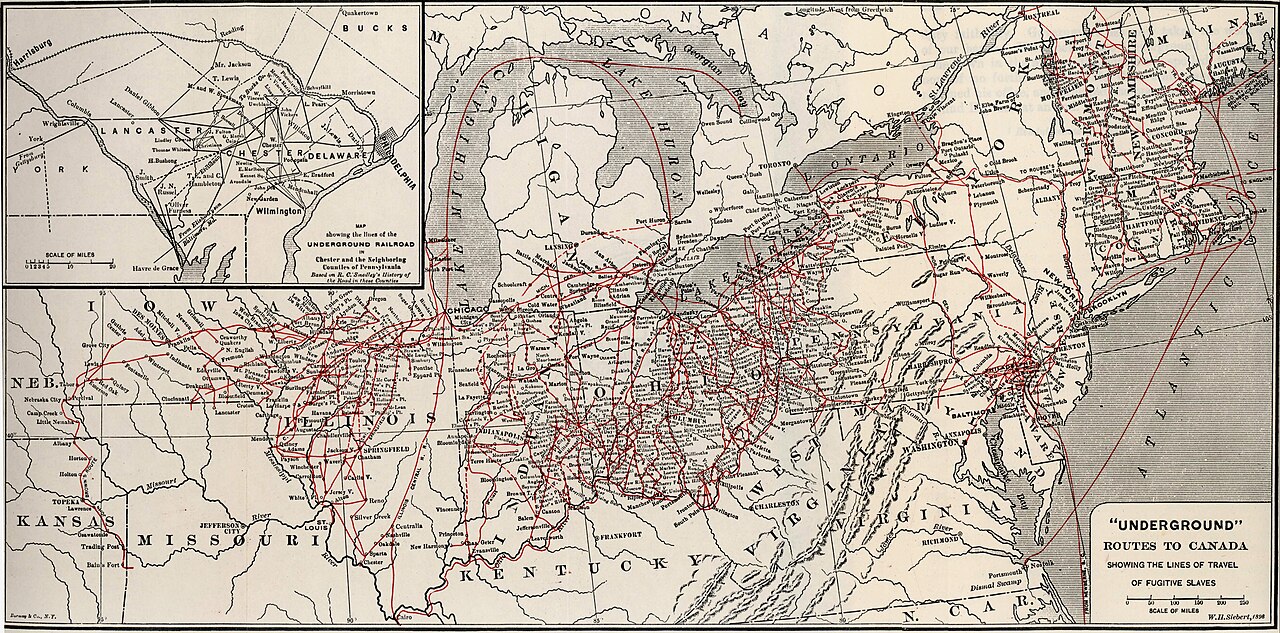
The Underground Railroad was not a real railroad. It was a secret network of people and safe houses. It helped enslaved people escape from the South to free states and Canada. Brave helpers risked their lives to guide them to safety. This happened mostly in the 1800s before the Civil War.
How It Worked
Escaping people were called 'passengers.' The helpers were called 'conductors.' Safe houses where they could hide were called 'stations.' People traveled mostly at night and used the stars to find their way.
Harriet Tubman
Harriet Tubman was a famous conductor on the Underground Railroad. She had escaped slavery herself. Then she returned to help many others find freedom. She made about 13 trips and guided around 70 people to safety.
More to Know
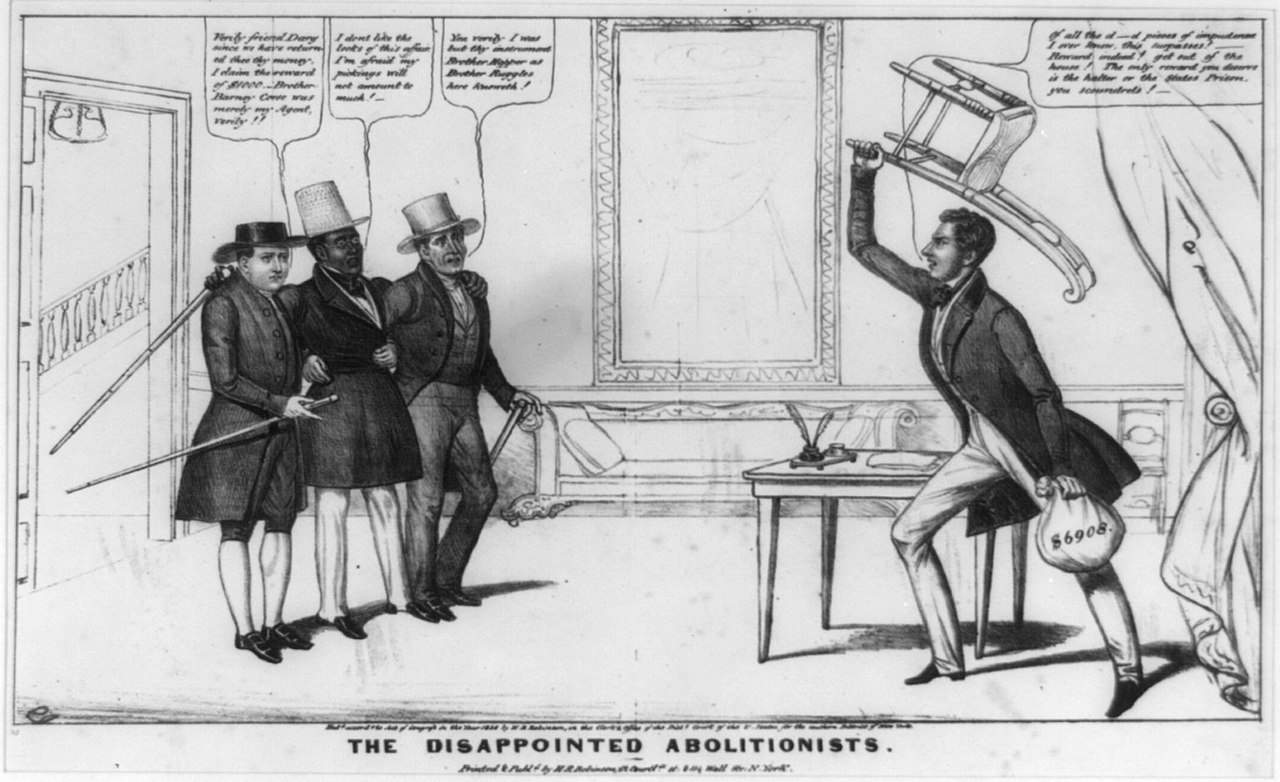
In 1793 Chloe Cooley, an enslaved woman in Upper Canada, was forced across the Niagara River to be sold, and the outcry led to a law that stopped new enslaved people from being brought into the province. Slavery was abolished across most of the British Empire in 1834. After the Fugitive Slave Act of 1850, about 30,000 people came to Canada, building communities such as Dawn and Buxton. Harriet Tubman made about 13 trips and led roughly 70 people to freedom, and Mary Ann Shadd Cary founded the Provincial Freeman newspaper in 1853.
Fun Facts
- People followed the North Star to find their way north to freedom.
- Some people think quilts with special patterns were used as secret maps.
- Harriet Tubman was called 'Moses' because she led people to freedom.
Did You Know?
Historians believe about 100,000 enslaved people escaped using the Underground Railroad.

You finished the article! Great job!