
Wikimedia Commons
The Ming Dynasty
The Ming Dynasty
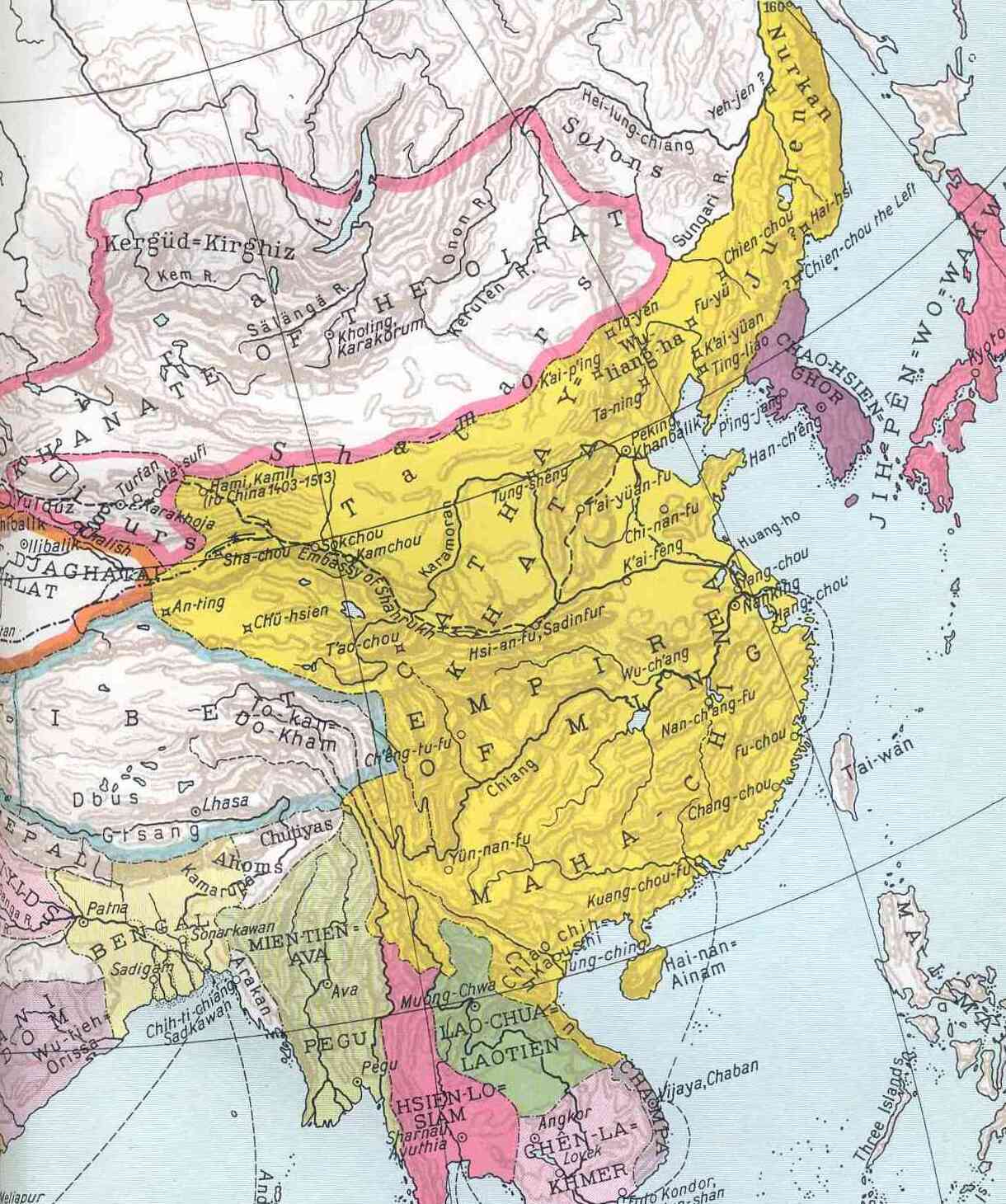
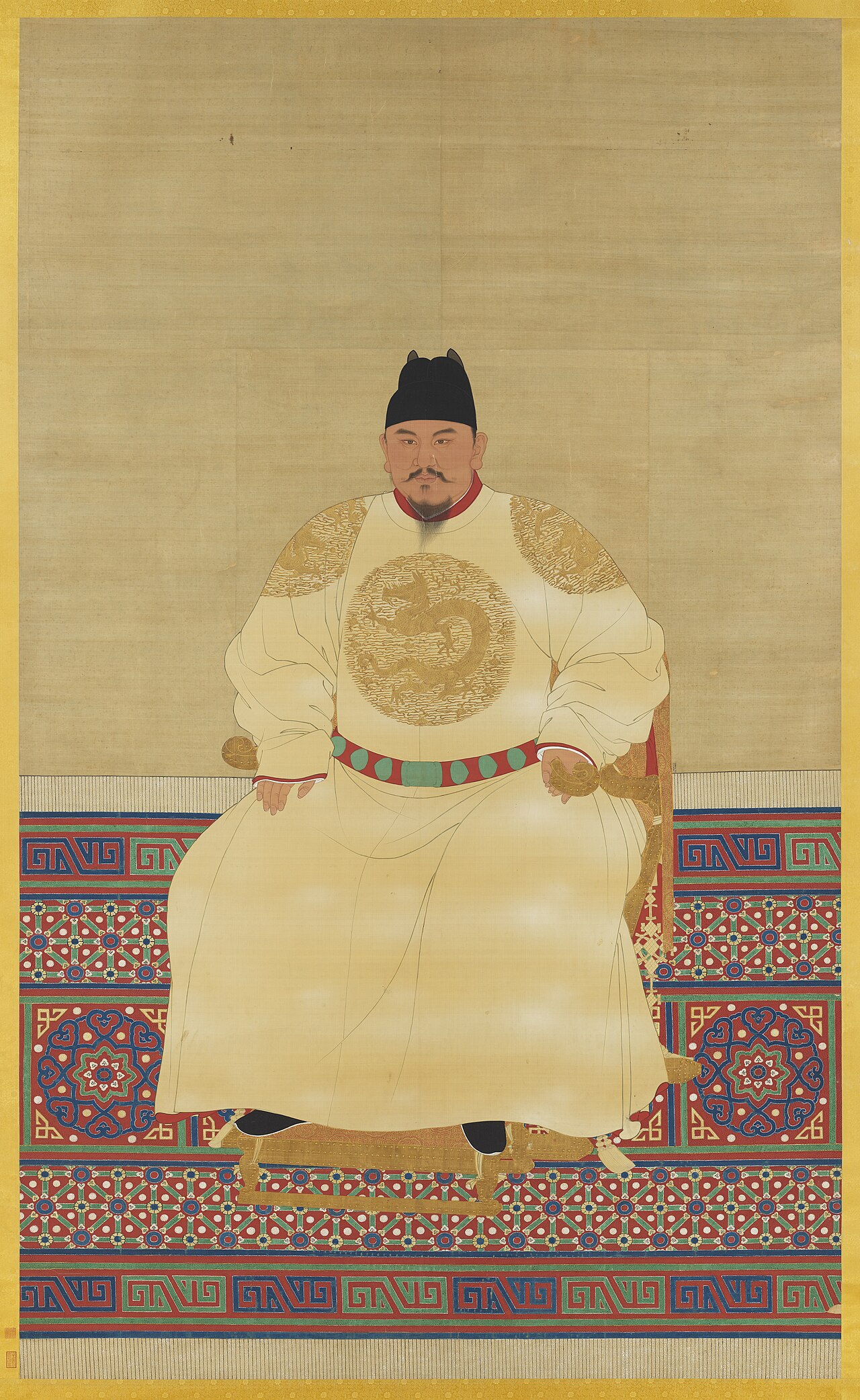
The Ming Dynasty ruled China from 1368 to 1644. It was founded by a man who was once a poor farmer. The Ming emperors helped make China strong again after years of Mongol rule. They built huge buildings and sent ships on great voyages. Many famous parts of Chinese culture come from Ming times.
The Forbidden City
The Ming emperors built a huge palace in Beijing called the Forbidden City. It had nearly 1,000 buildings inside its high red walls. Only the emperor, his family, and special workers were allowed in. The emperor was seen as almost god-like. Officials followed strict rules when they attended ceremonies before the Ming emperor. Today, millions of tourists visit the Forbidden City every year.
Exploring the Seas
During the Ming Dynasty, a famous admiral named Zheng He led huge fleets across the oceans. His ships were much bigger than any in Europe at that time. He visited many places, including southeast Asia, India, and Africa. The ships brought back treasures and even live giraffes. These voyages showed how rich and powerful China was.
More to Know
Zhu Yuanzhang, once an orphan and soldier, drove out the Mongols and founded the Ming in 1368. The Yongle Emperor moved the capital to Beijing and built the Forbidden City between 1406 and 1420. Zheng He's seven voyages (1405-1433) reached Southeast Asia, India, Arabia, and East Africa. Later emperors ended the treasure fleets and limited private overseas trade, though China still traded, including for American silver. The dynasty fell in 1644.
Fun Facts
- The Ming Dynasty rebuilt much of the Great Wall of China.
- Blue and white Ming porcelain is still famous around the world.
- Old accounts say some of Zheng He’s ships were over 400 feet long, but historians disagree about their size.
Did You Know?
The Ming Dynasty was the last dynasty in China to be ruled by ethnic Chinese emperors before the Manchu Qing Dynasty took over.

You finished the article! Great job!