
Wikimedia Commons
The Islamic Golden Age
The Islamic Golden Age
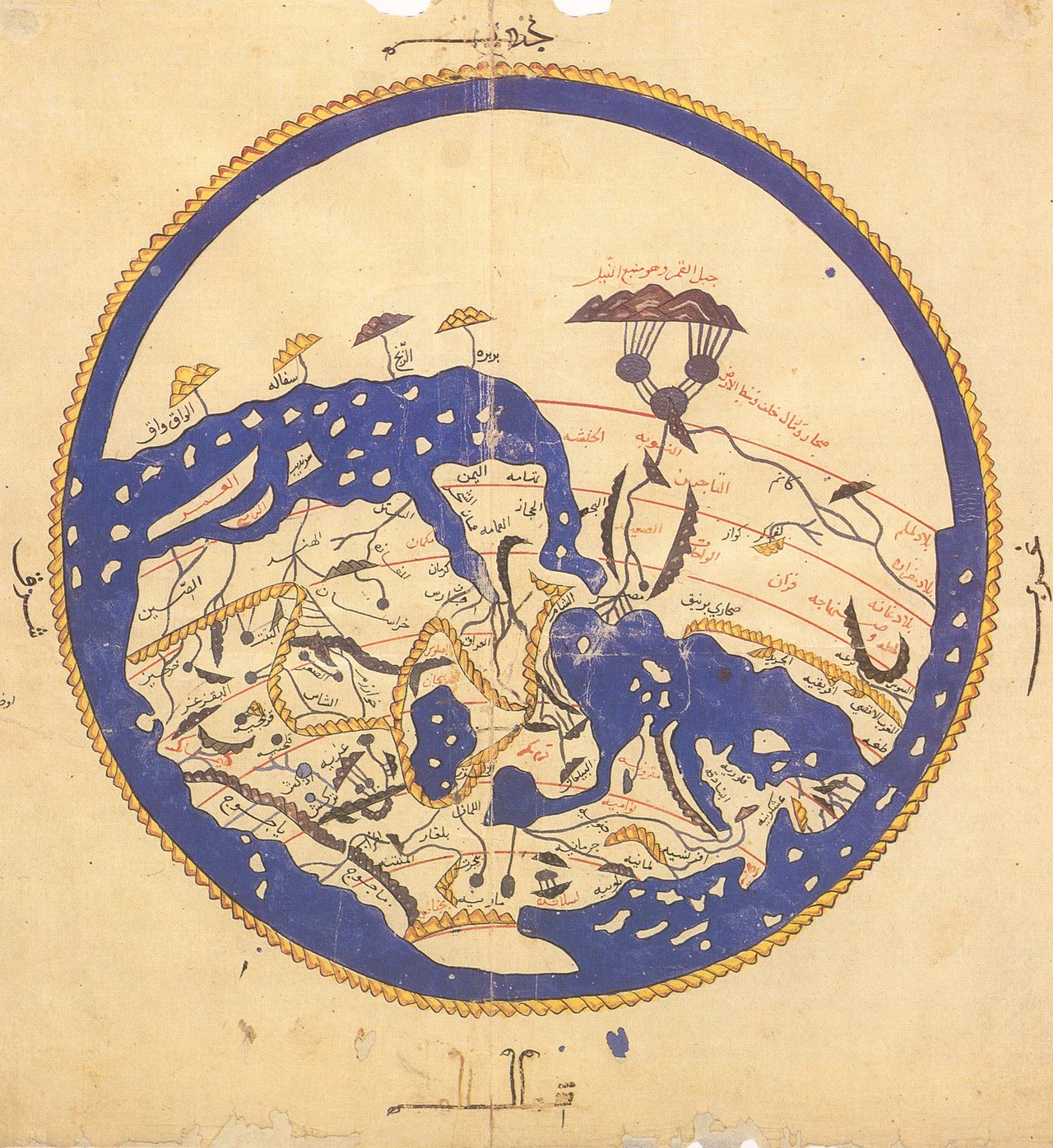
The Islamic Golden Age was a very important time in history. It lasted from about 800 to 1300 CE. During this time, scholars in the Muslim world learned and invented amazing things. They studied stars, made new medicines, and wrote many books. Their ideas helped people all over the world.
Science and Math
Muslim scholars made great discoveries in science and math. They improved the number system we still use today, including the number zero. A man named Al-Khwarizmi invented a type of math called algebra. Doctors like Ibn Sina wrote famous books about medicine. Their work was used in schools for hundreds of years.
Art and Writing
The Islamic Golden Age also had beautiful art and writing. Artists made colorful tiles with amazing patterns. Poets wrote long poems about love and nature. Builders made grand mosques with tall towers and pretty domes. Books were carefully written and illustrated by hand.
More to Know
The Silk Road was a web of routes, and goods and ideas, including paper from China, passed from city to city. Scholars improved the astrolabe, which measures the height of the sun or stars to find time, direction, and latitude. Ibn al-Haytham (about 965-1040) tested ideas about light and showed that we see when light enters our eyes. In 1258 the Mongols took Baghdad, ending the caliph's rule and destroying many books, but copies and teaching survived in cities such as Cairo and Córdoba.
Fun Facts
- The word 'algebra' comes from the Arabic word 'al-jabr'.
- Hospitals in the medieval Islamic world had wards where doctors cared for people with different illnesses.
- Baghdad was one of the biggest and richest cities in the world during this time.
Did You Know?
Many star names we still use today, like Betelgeuse and Aldebaran, come from Arabic words used by scholars of the Islamic Golden Age.

You finished the article! Great job!