
Wikimedia Commons
Ancient India
Ancient India
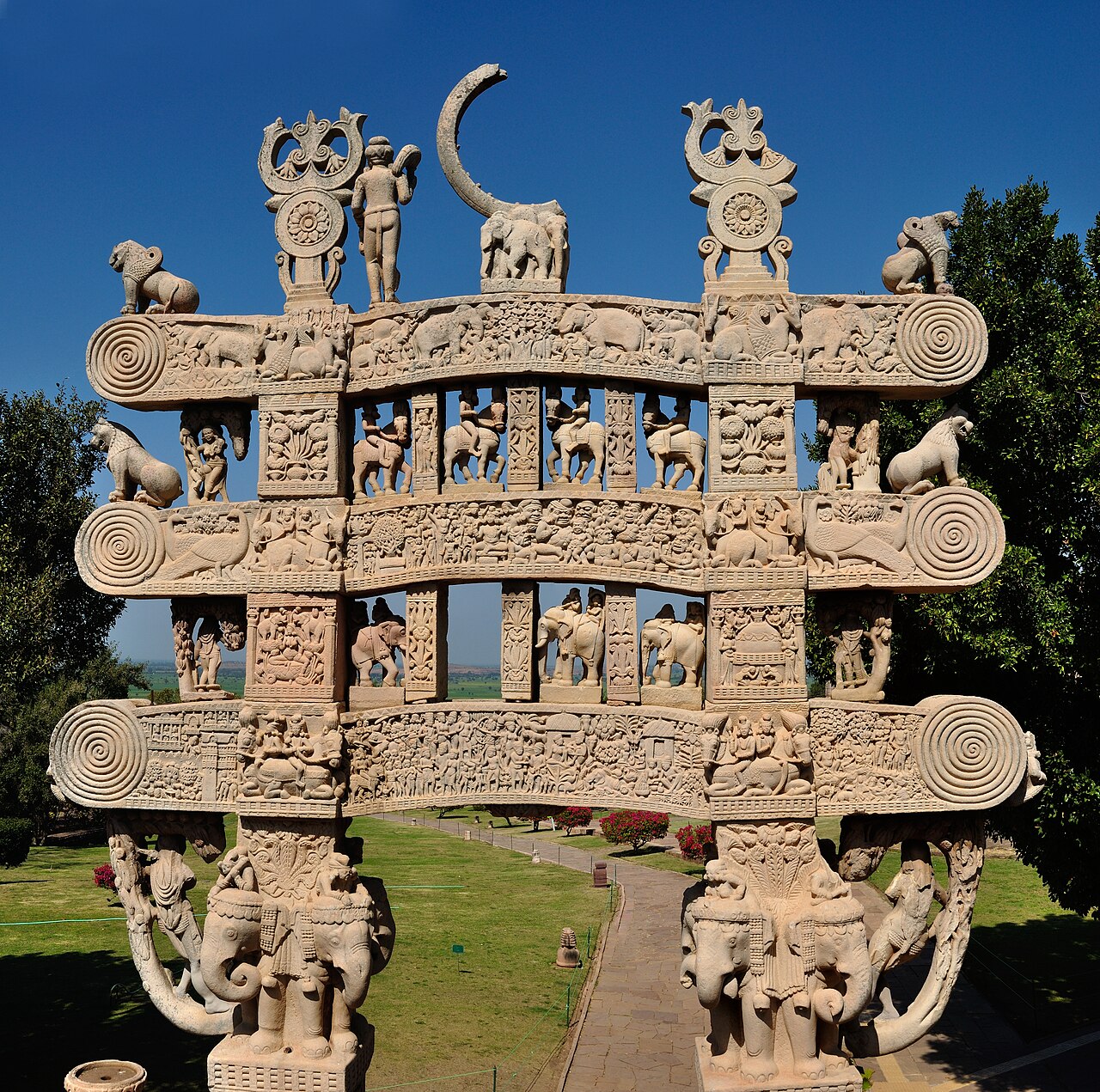
Ancient India began over 5,000 years ago. The first big cities were built in a place called the Indus Valley. Later, great kingdoms and empires ruled the land. India is where two big religions, Hinduism and Buddhism, started. Ancient India gave the world many ideas in math and science.
The Indus Valley
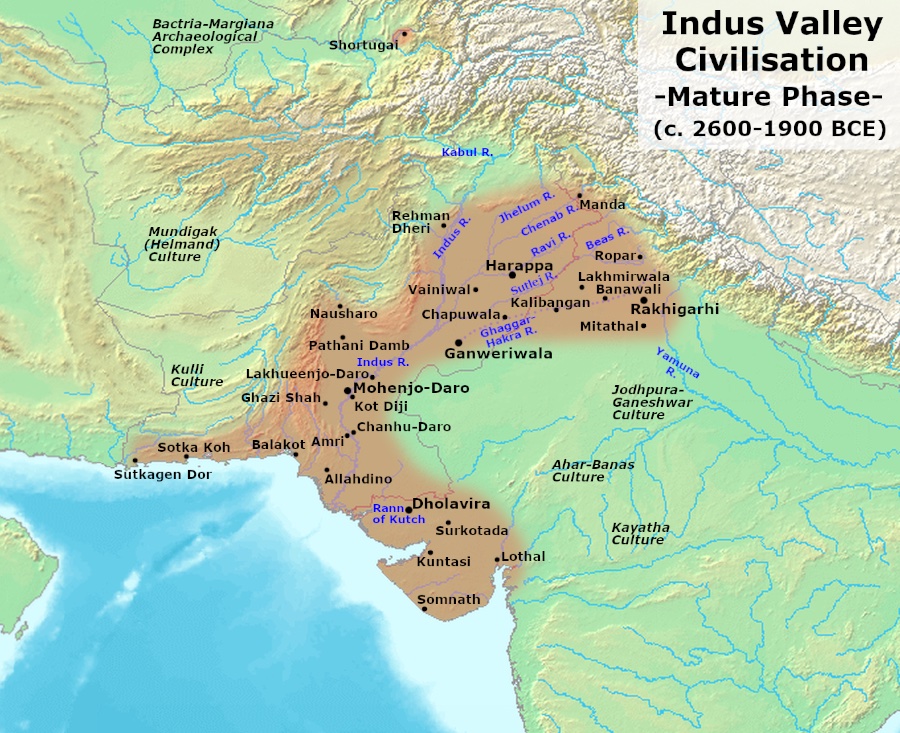
The Indus Valley Civilization had huge cities like Mohenjo-daro and Harappa. The cities were planned very carefully with straight streets. People built brick houses and even had running water. They were skilled farmers and traders. Nobody is sure why their cities were finally left empty.
Great Ideas and Empires
Ancient India had powerful rulers like Ashoka the Great. He helped spread Buddhism across Asia. Indian thinkers invented the number zero and the decimal system. They also studied the stars and medicine. Many of their ideas traveled to other parts of the world.
More to Know
The Indus and Ganges rivers, fed by Himalayan snow and summer monsoon rains, supported farming. Siddhartha Gautama, born about 2,500 years ago, left his palace to seek answers about suffering and became known as the Buddha. The emperor Ashoka, ruling about 2,300 years ago, chose peace after a terrible war and carved promises of kindness and truth on stone pillars. Indian mathematicians used zero as a number, an idea that later traveled to the Arab world and Europe. India's pepper and other spices were traded across the sea, and spring is greeted with the festival of Holi.
Fun Facts
- The game of chess was first invented in India.
- Cotton cloth was first made in ancient India.
- Ancient Indians were the first to use shampoo.
Did You Know?
The number system we use today, with digits from 0 to 9, came from ancient India and is called the Hindu-Arabic numeral system.

You finished the article! Great job!