Wikimedia Commons
Ancient Greece
Ancient Greece
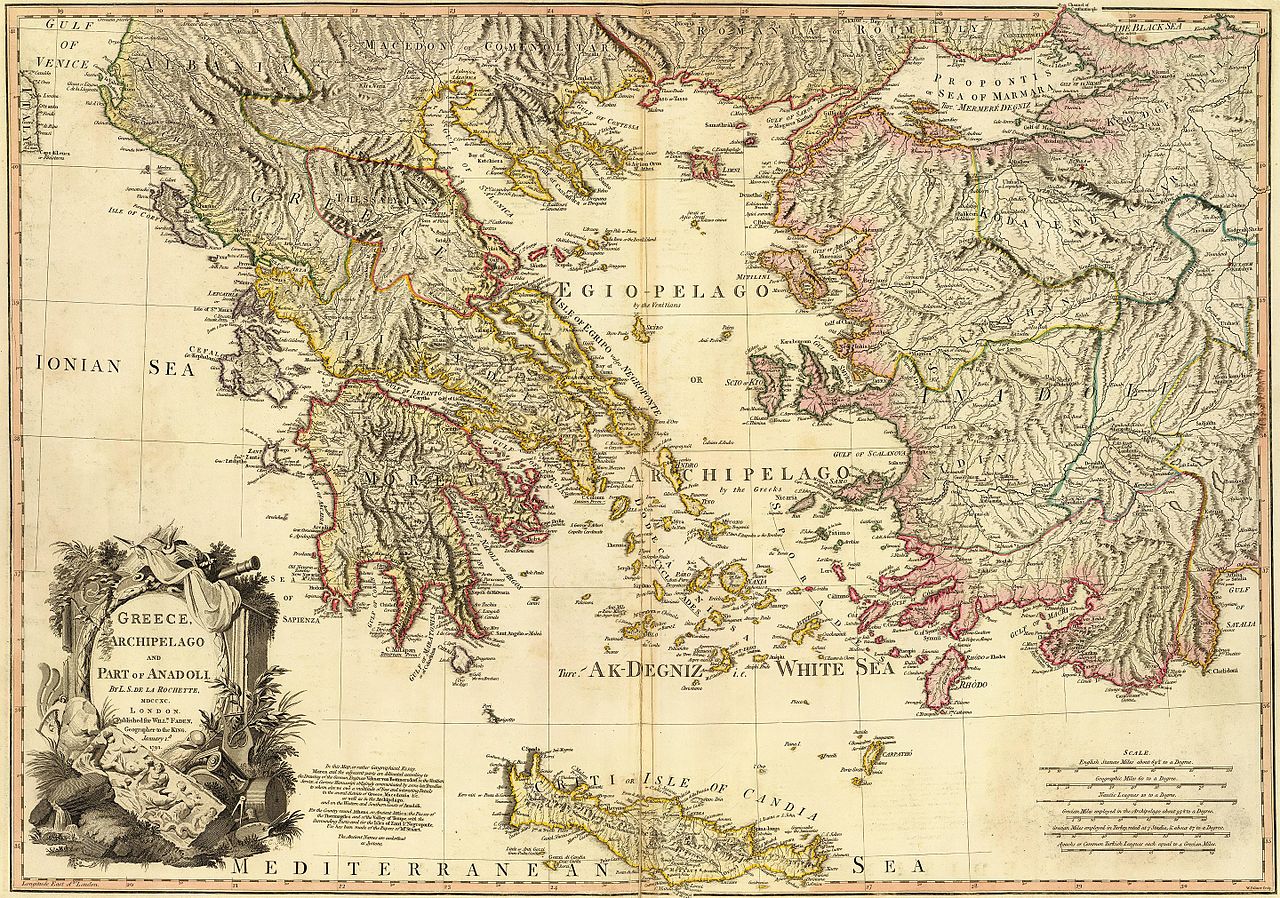
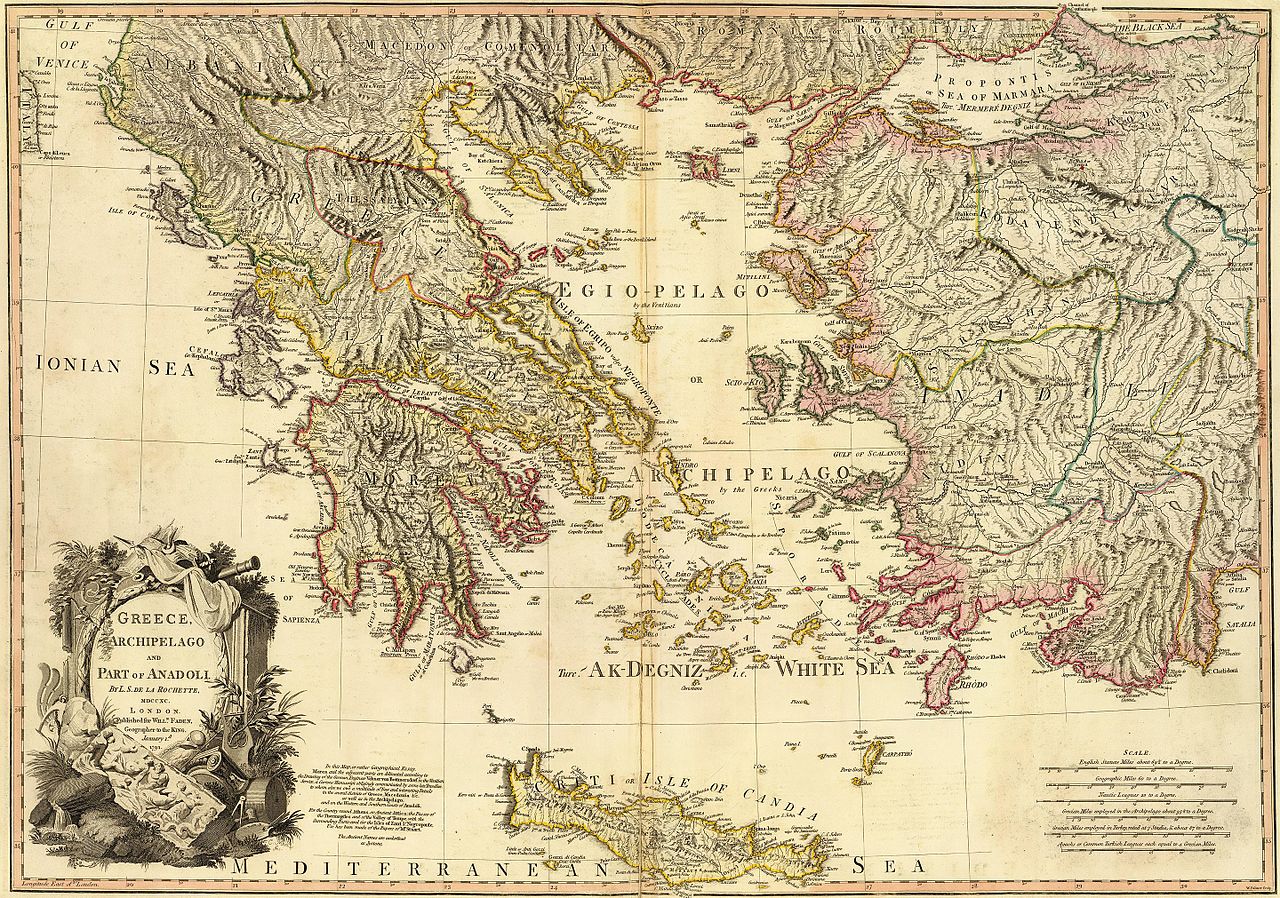
Ancient Greece was a place in Europe that existed thousands of years ago. The people there lived in small cities called city-states. Each city-state had its own rules and leaders. The Greeks loved stories, sports, and learning. They built beautiful temples and told tales about gods and heroes. Many of their ideas are still used today.
Life in City-States
Greece was made up of many city-states. Athens and Sparta were two of the biggest. Athens loved art, books, and school. Sparta trained strong soldiers. People in the city-states spoke the same language. But each city had its own laws. Sometimes the city-states worked together. Other times they fought each other.
Gods, Myths, and the Olympics
The Greeks believed in many gods. Zeus was the king of the gods. Athena was the goddess of wisdom. The Greeks told myths about these gods and brave heroes. They also started the Olympic Games. Athletes ran, jumped, and threw spears to win prizes. The games were held every four years, just like today.
More to Know
Mountains and islands kept Greek communities apart, so each polis, or city-state, made its own laws. Athens let male citizens vote, while Sparta trained boys as soldiers from age seven. The first Olympic Games were held at Olympia in 776 BCE to honor Zeus, and wars paused so athletes could travel. The Parthenon, a marble temple to Athena, was finished on the Acropolis about 2,450 years ago. English words such as democracy, alphabet, theater, and gym come from Greek.
Fun Facts
- The Greeks invented the yo-yo, which is one of the oldest toys in the world.
- Ancient Greek kids went to school starting at age seven, but only boys could go.
- The word 'democracy' comes from Greek words meaning 'rule by the people.'
Did You Know?
The ancient Greeks ate their meals while lying down on couches instead of sitting at a table.

You finished the article! Great job!