
Wikimedia Commons
The Immune System
The Immune System
The immune system is your body's army. It fights off germs like bacteria and viruses. When germs sneak in, special cells jump into action. They work hard to keep you healthy and strong.
How It Fights Germs
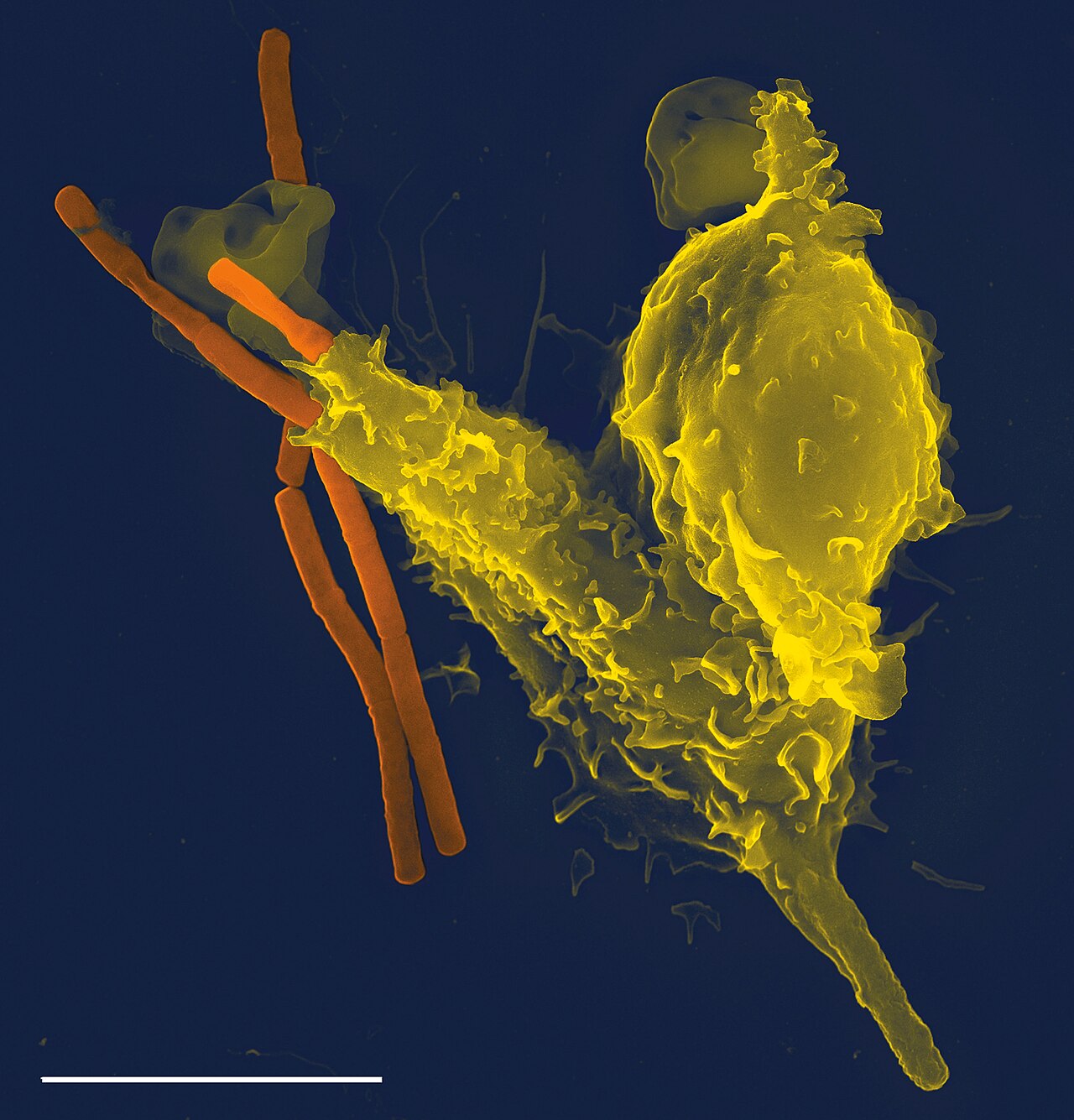
White blood cells are the main fighters in your immune system. They find germs and attack them. Your skin also helps by keeping most germs out. When you get a fever, your body is warming up to make it harder for germs to grow.
Staying Healthy
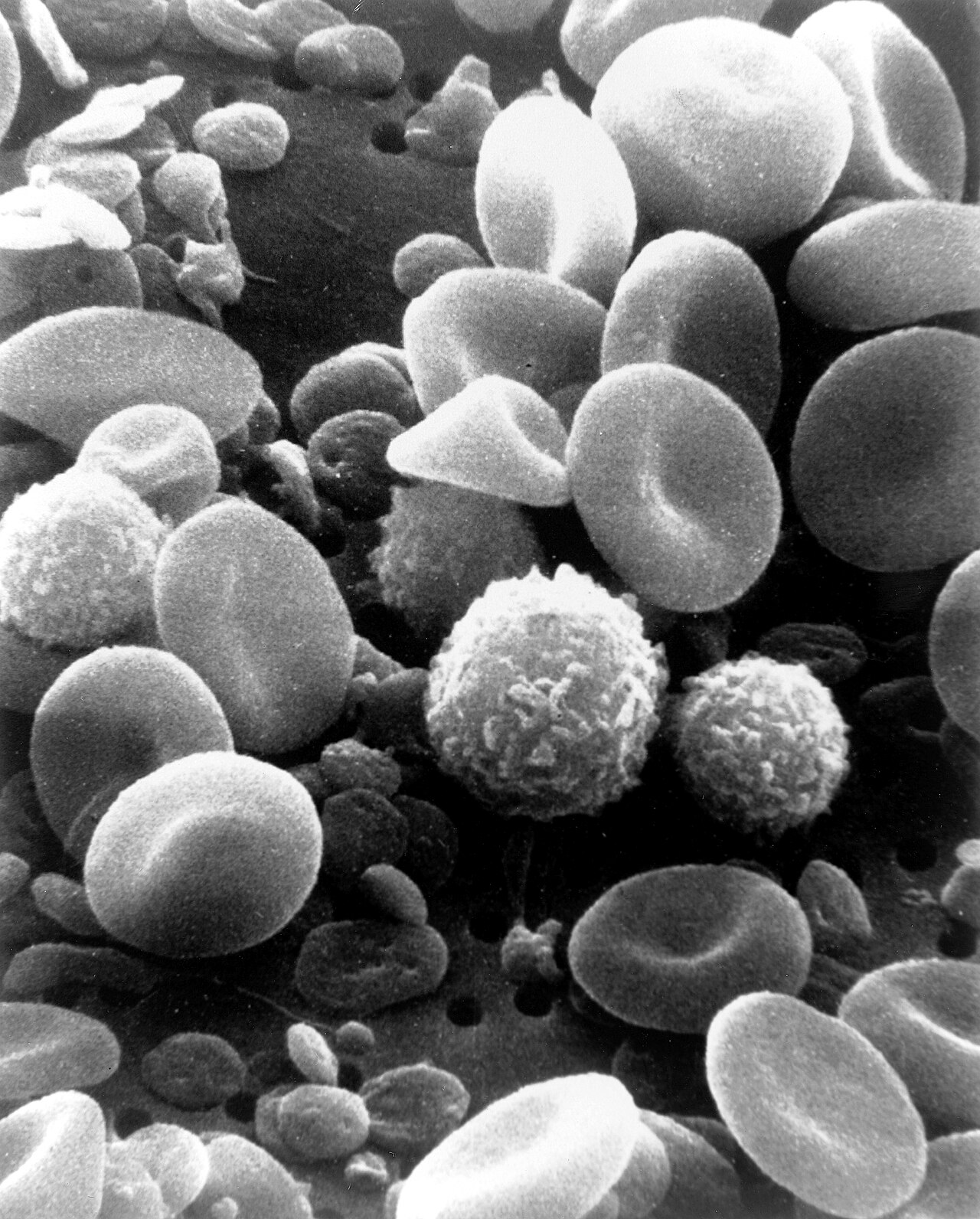
Eating fruits and vegetables helps your immune system stay strong. Sleep also helps your body heal and fight germs. Washing your hands keeps germs from getting inside you. Vaccines teach your body how to fight certain sicknesses.
More to Know
Skin is one barrier, but mucus, cilia, stomach acid, and tears also block germs. B cells make Y-shaped antibodies that fit particular germs, and memory cells remember them, so a repeat infection is fought off much faster. Vaccines let the body practice against a harmless version of a germ; Edward Jenner's smallpox work in 1796 began this, and smallpox was declared gone from the world in 1980. Allergies are immune reactions to harmless things such as pollen.
Fun Facts
- Your body has about 25 billion white blood cells.
- When you sneeze, germs can fly out very fast on tiny droplets.
- Your skin is your biggest defense against germs.
Did You Know?
Your immune system remembers germs it has fought before. This is why you usually get chickenpox only once.

You finished the article! Great job!