Wikimedia Commons
Prayer and Meditation
Prayer and Meditation
Prayer and meditation are ways people pause and pay careful attention. They are part of many religious traditions, although people understand and practice them differently. Prayer may involve speaking or listening to God or another sacred being. Meditation often involves steady attention, reflection, or quiet awareness. Some practices include both.
What These Practices Can Be
A prayer can be spoken, sung, whispered, read, or held silently in the mind. People pray to praise, ask for help, say sorry, or give thanks. A person may use words learned by heart or choose their own words. Prayer can happen alone or with a community.
During meditation, a person may notice their breathing, repeat a phrase, study a teaching, or focus on kindness. The goal is not always to make the mind completely empty. It may be to notice thoughts without chasing them and then gently return attention to the practice.
Across Religious Traditions
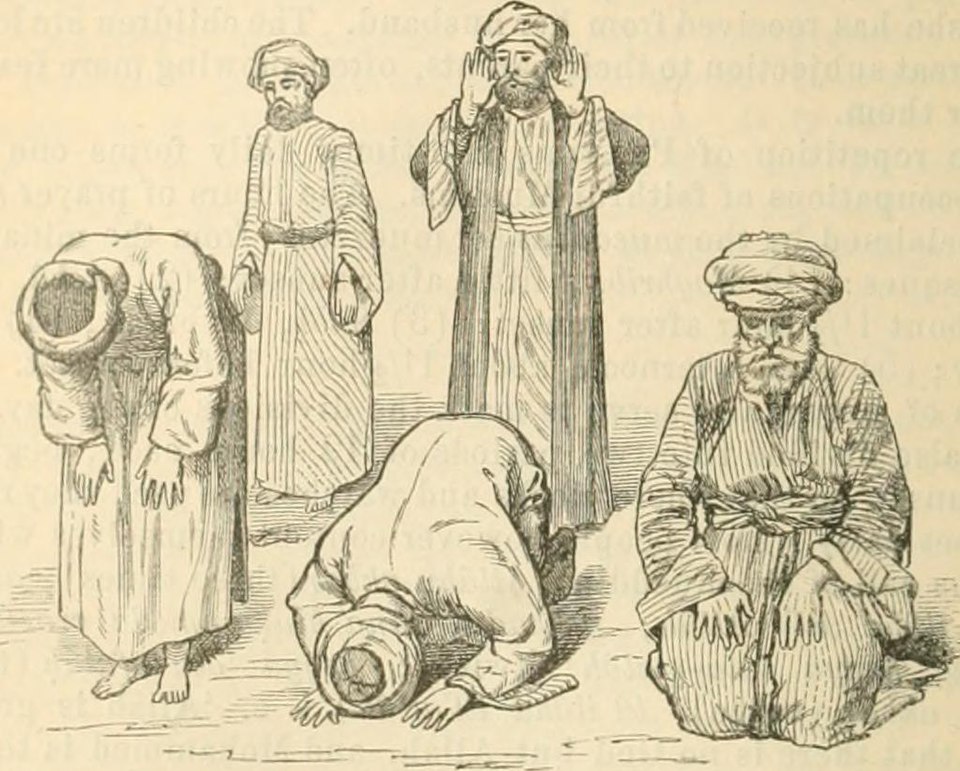
Muslims perform salah at set times, using words and movements. Many Christians and Jews pray in services and in daily life. Hindus may use mantras, which are sacred sounds or phrases. In several Buddhist traditions, people meditate to develop wisdom, attention, and compassion. Sikhs may sing or recite words from scripture and remember God.
These examples do not describe every believer. Families, communities, and individuals may practice in different ways, even within the same religion.
Creating Time and Space
People might pray or meditate at home, outdoors, or in a place of worship. Some light a candle, use prayer beads, face a particular direction, or sit in a steady position. Quiet can help, but prayer may also include music and movement. What matters most to practitioners is the meaning of the practice, not having one perfect setting.
Did You Know?
Prayer beads appear in several traditions. Their shapes and names differ, but moving from bead to bead can help a person keep track of prayers or repeated phrases.

You finished the article! Great job!