
Wikimedia Commons
The Age of Discovery
The Age of Discovery
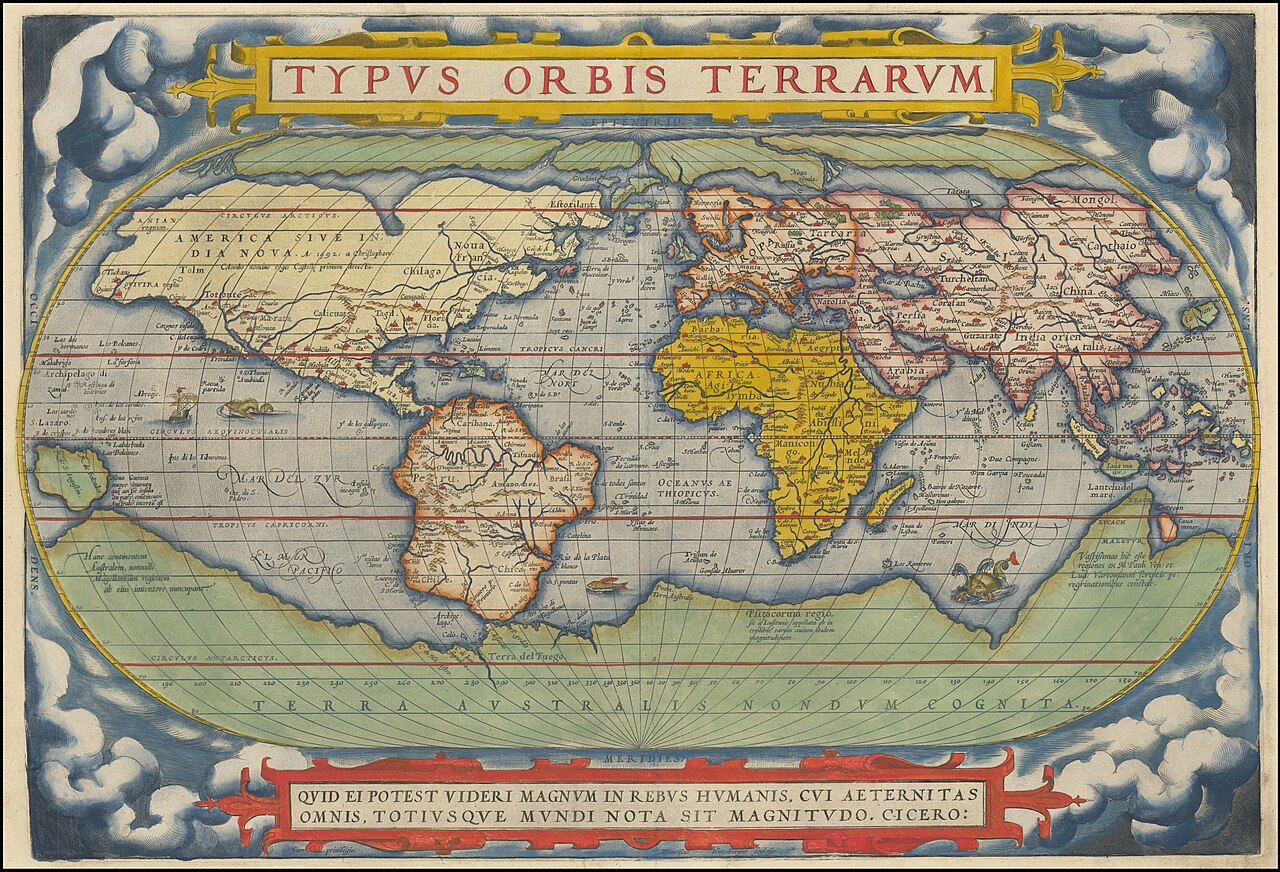
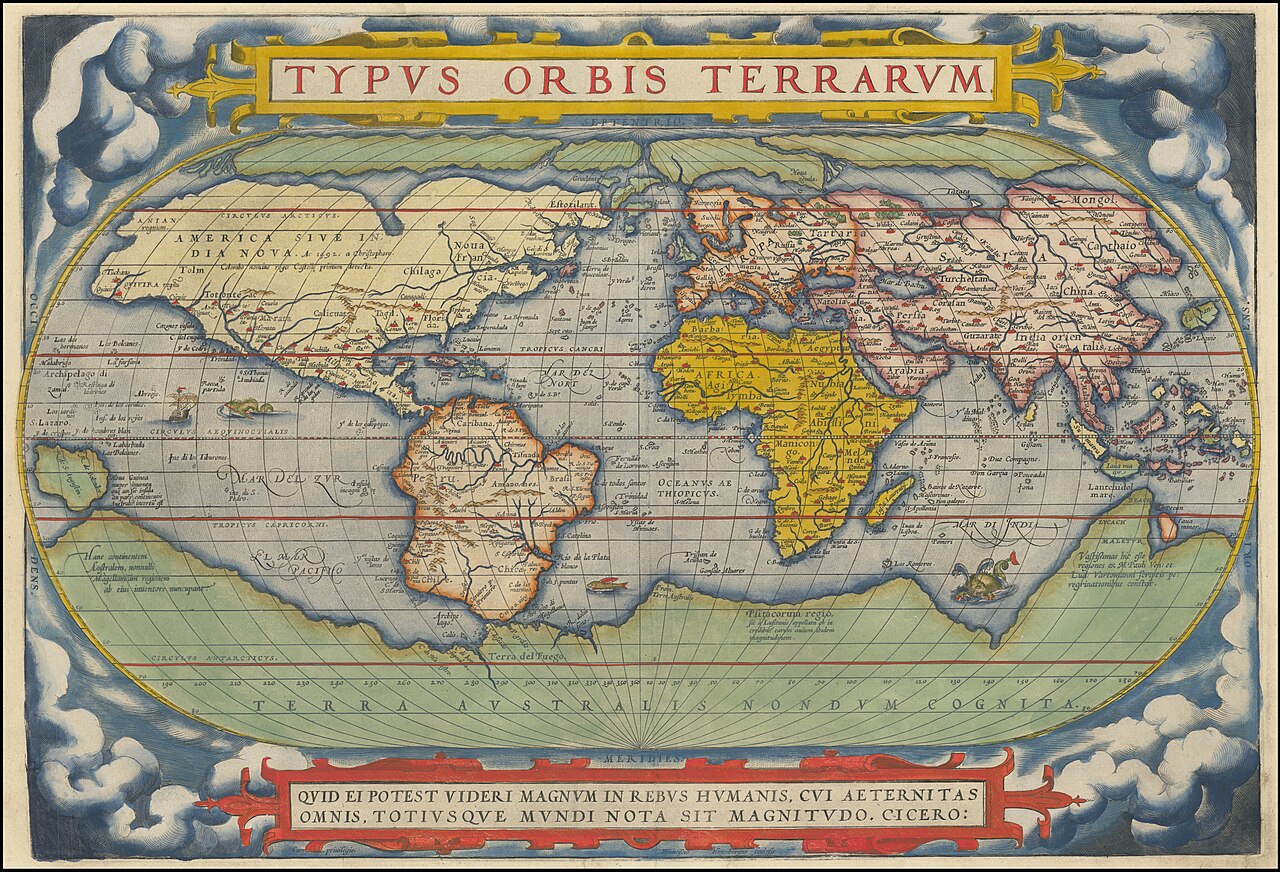
The Age of Discovery began around 500 years ago. European sailors set out on long sea voyages. They wanted to find new trade routes and lands. Their trips changed maps and connected the world in new ways.
Famous Explorers
Christopher Columbus sailed west and reached the Americas in 1492. Vasco da Gama found a sea route to India. Ferdinand Magellan's crew was the first to sail all the way around the world. These trips were long and dangerous.
A Changing World
Explorers brought back maps, plants, and animals. New foods like potatoes and tomatoes were shared around the globe. Sadly, the voyages also brought hardship to native peoples. The world became more connected than ever before.
More to Know
Europeans sought spices, gold, and sea routes to Asia, helped by caravels, compasses, and astrolabes. Dias rounded Africa in 1488 and da Gama reached India in 1498. Lands reached in the Americas were already home to millions of people, such as the Taíno. The Columbian Exchange moved potatoes, corn, and tomatoes east and horses, cattle, wheat, and sugar west, but diseases like smallpox killed millions of Indigenous people, and sugar plantations drove the forced transport of enslaved Africans.
Fun Facts
- Sailors used the stars and the sun to find their way.
- Many ships were lost at sea during this time.
- Magellan's voyage around the world took almost three years.
Did You Know?
Before the Age of Discovery, many Europeans had never seen foods like chocolate, corn, or pineapples!

You finished the article! Great job!