
Wikimedia Commons
Stage Lighting
Stage Lighting
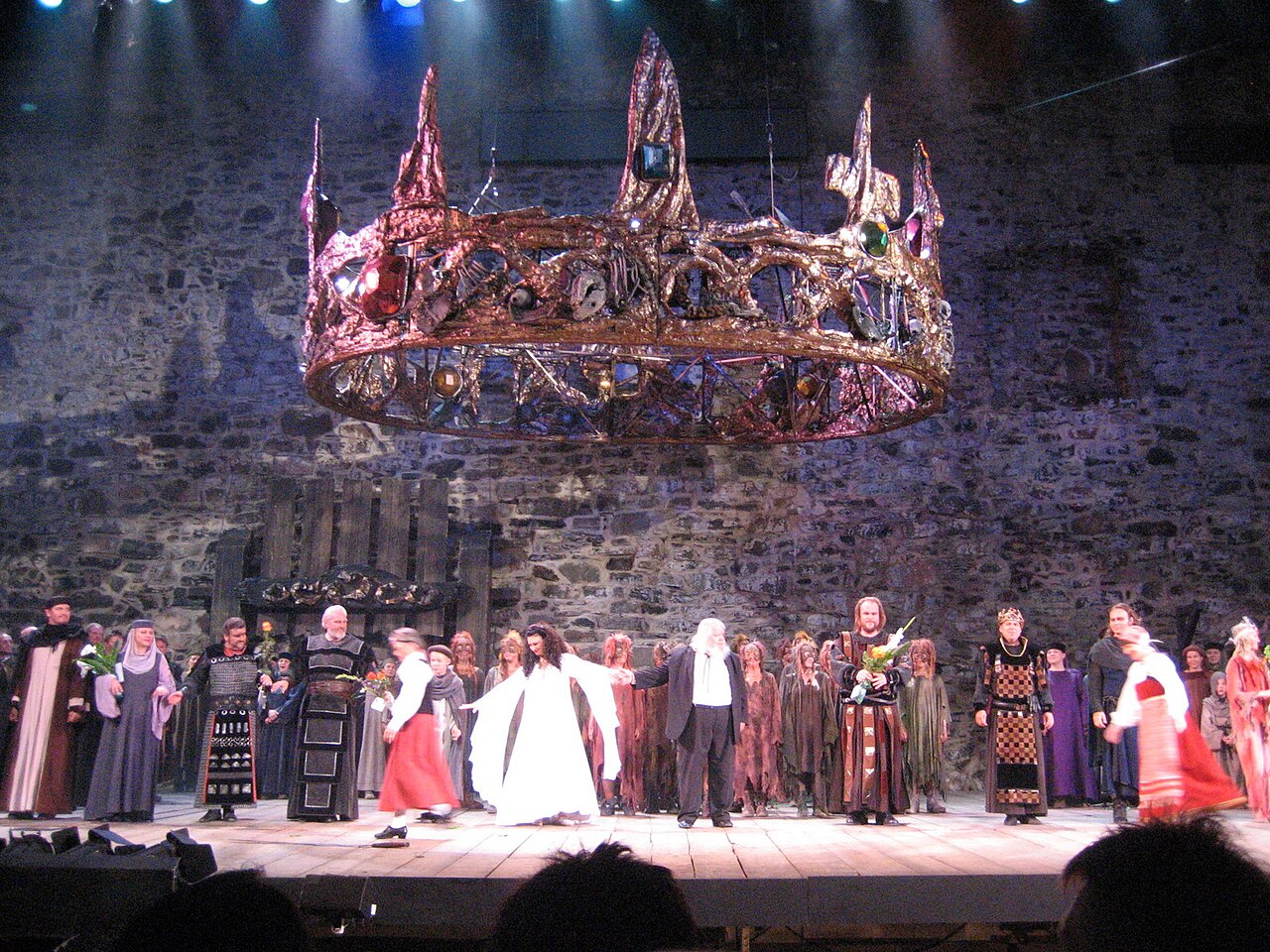
Stage lighting does much more than help an audience see the actors. Light can guide attention, show where a scene takes place, and create a mood. A warm glow might suggest a sunny afternoon. Dim blue light can make the same stage feel like night. Lighting designers use art and technology together to support the story.
Designing the Light
First, a lighting designer reads the script and talks with the director. The designer also works with the people who plan the scenery and costumes. A color that looks beautiful on a wall might make an actor’s costume hard to see, so the whole team must cooperate.
The designer makes a lighting plan showing where each light goes. During rehearsals, the team aims and adjusts the lights. They also create cues, which are planned lighting changes. One cue may slowly brighten the stage at sunrise. Another may quickly darken it at the end of a scene.
Tools of the Trade
Different stage lights do different jobs. Some spread a soft wash across a wide area. Others make a focused beam. A followspot can keep a moving performer bright. A small metal or glass pattern called a gobo can project shapes such as windows, leaves, or clouds.
Designers can place colored filters, called gels, in front of some lights. Many modern LED fixtures can change color without gels. A control desk tells the lights when to brighten, dim, move, or change color.
Light, Shadow, and Safety
The direction of light matters. Front light makes faces clear, while side light can show the shape of a dancer’s body. Backlight helps a performer stand out from the scenery. Shadows can add mystery, but they must not hide an important action.
Stage lights, cables, and equipment can be heavy, hot, or high above the floor. Trained theater workers secure every fixture, manage electrical power, and check the system before a show. During the performance, an operator runs the cues at exactly the right moments.
Fun Facts
- Theater workers in some countries call stage lights “lanterns.”
- Before electric lighting, theaters used candles, oil lamps, and gaslight.
- Lighting cues can be timed to music, words, or movement.
Did You Know?
Two scenes can use the very same set but feel completely different because of lighting. Changing only the angle, color, and brightness can turn a cheerful room into a spooky one.

You finished the article! Great job!