
Wikimedia Commons
Noh Theater
Noh Theater
Noh is a traditional form of Japanese theater. Its performances mix acting, poetry, singing, music, and dance-like movement. Instead of using lots of scenery or fast action, Noh gives the audience small clues and lets imagination do much of the work. A slow turn, a tilted mask, or the sound of a drum can carry great meaning.
A Theater with a Long History
The art grew from older performances and took much of its present shape in the 1300s and 1400s. The performers Kan’ami and his son Zeami helped develop it. Zeami also wrote plays and explained how actors could create beauty onstage.
Noh belongs to a larger tradition called Nohgaku. Noh plays are thoughtful and often serious. Short Kyogen plays use lively dialogue and humor. The two forms have long been performed in the same theater program.
What Happens on Stage
Many Noh stories come from Japanese history and literature. A main character might be a traveler, warrior, spirit, or person remembering a powerful event. Sometimes a ghost appears in human form and slowly reveals its true identity.
The wooden stage is open and simple. A painted pine tree stands at the back. A narrow bridge called the hashigakari connects the stage to the backstage area. Performers use this bridge for entrances, but the walk itself can become part of the story. The plain space can represent a palace, a shore, or a dream.
Masks, Music, and Movement
The leading actor, called the shite, may wear a carved wooden mask for a role such as a spirit, woman, child, or older person. Not every actor wears one. Because a mask cannot move, the performer changes its appearance by carefully tilting the head toward or away from the light.
A chorus helps tell the story. Musicians play a flute and three kinds of drums, while actors chant in a special style. Movements are controlled and precise. The costumes may be richly patterned, making each measured step stand out.
Fun Facts
- Some Noh masks have been treasured for generations.
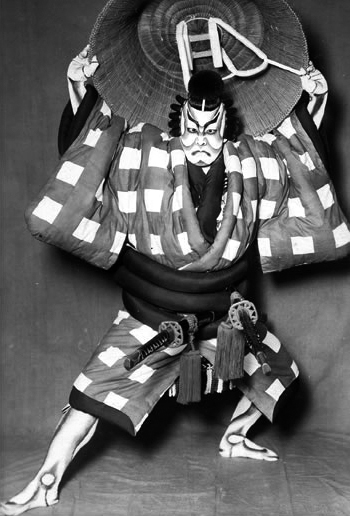
- Noh and Kabuki are different arts: Noh often uses masks and measured movement, while Kabuki is famous for bold makeup and lively acting.
- UNESCO recognizes Nohgaku as important cultural heritage.
Did You Know?
Noh actors train for many years to make quiet movements clear and powerful. What looks simple onstage can require remarkable balance, timing, and control.

You finished the article! Great job!